Whiskey Barrel Font: Capturing Authentic Vintage Western Charm in Modern Design
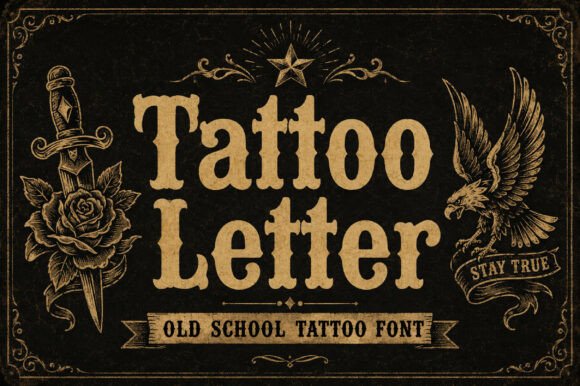
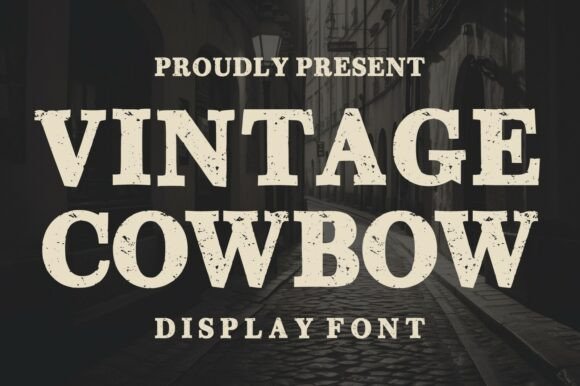
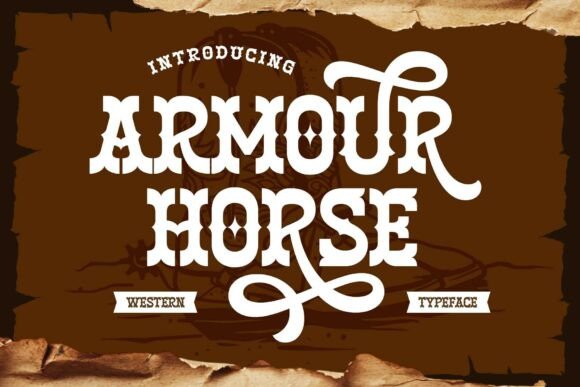
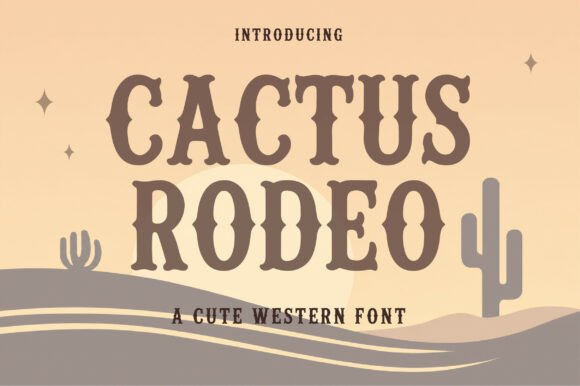
In the vast landscape of typography, few styles evoke as immediate and visceral a reaction as the vintage western display font. Among these distinctive typefaces, Whiskey Barrel stands out as a premier choice for designers seeking to capture the rugged spirit of the American frontier. Inspired by classic saloon signs, historic whiskey labels, rustic wood branding, and old cowboy culture, this typeface is more than just a collection of letters; it is a visual time machine. For general readers, business owners, and creative professionals alike, understanding the nuance of Whiskey Barrel helps clarify how typography influences perception, branding, and emotional connection in design.
The Anatomy of Rugged Authenticity
To truly appreciate the Whiskey Barrel typeface, one must first understand what distinguishes a genuine vintage western font from a generic novelty script. Many fonts attempt to mimic the Wild West but often fall into caricature, relying on exaggerated serifs or overly ornate swashes that feel inauthentic. Whiskey Barrel avoids this pitfall by grounding its design in historical utility.
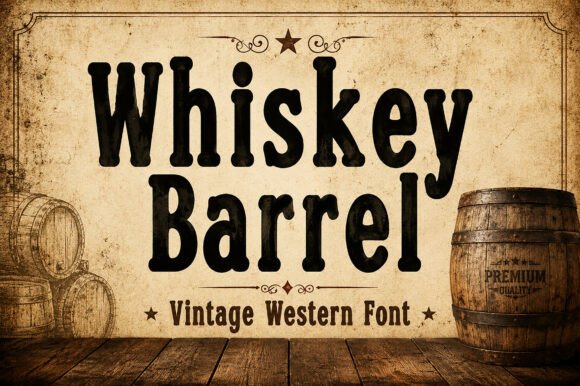
The letterforms are bold and strong, mirroring the hand-painted signage and wood-block printing techniques of the 19th century. In that era, readability was paramount. A saloon sign needed to be legible from across a dusty street, and a whiskey label had to convey quality and tradition at a glance. This font retains that functional strength. The strokes are confident and slightly weathered, suggesting years of exposure to sun and wind without sacrificing clarity. This balance between authentic handcrafted texture and modern vector precision is what gives the font its timeless wild west atmosphere.
Why Texture Matters in Digital Design
A common misunderstanding among beginners is that "vintage" simply means using an old-looking font. However, true vintage appeal comes from imperfection. Whiskey Barrel incorporates subtle irregularities that mimic the grain of wood or the bleed of ink on rough paper. In a digital environment where everything is often pixel-perfect and sterile, these organic textures provide a necessary tactile quality. They signal to the viewer that the design has a story, bridging the gap between digital media and physical nostalgia.
Practical Applications: From Saloons to Modern Branding
While rooted in history, Whiskey Barrel is designed for contemporary relevance. Its versatility makes it an essential tool for various industries. Understanding where and how to apply this typeface can elevate a project from standard to memorable.
- Hospitality and Pub Signage: This is the most natural habitat for the font. Whether designing a chalkboard menu for a craft beer bar or a neon sign for a steakhouse, Whiskey Barrel communicates warmth and tradition. It tells customers they are entering a space that values heritage and craftsmanship.
- Product Packaging and Labels: For artisanal goods, hot sauces, coffees, and spirits, packaging is the primary salesperson. Using this font on labels suggests small-batch production and premium quality. It aligns perfectly with the current consumer trend toward rustic, farm-to-table aesthetics.
- Apparel and Merchandise: Western wear and country-themed merchandise rely heavily on typography to set the mood. T-shirts, hats, and bandanas featuring Whiskey Barrel tap into the enduring popularity of Americana fashion. The bold weight ensures the design remains visible and impactful even when printed on textured fabrics like denim or canvas.
- Event Branding: Country music festivals, rodeos, barn weddings, and harvest fairs require visual identities that feel grounded. Posters and tickets utilizing this typeface instantly communicate the event's theme before the attendee reads a single detail.
Integrating Whiskey Barrel into Modern Workflows
For those new to design or business owners managing their own marketing, integrating a specialized display font requires some strategic thinking. It is important to remember that Whiskey Barrel is a display font. This means it is engineered for headlines, logos, and short bursts of text, not for body copy.
Pairing for Readability and Balance
One of the most critical aspects of using any vintage western font is pairing it correctly. Because Whiskey Barrel carries so much visual weight and personality, it demands a supporting typeface that is clean and understated. Pairing it with another decorative font will create visual chaos and reduce legibility.
- Select a Neutral Sans-Serif: Fonts like Helvetica, Montserrat, or Open Sans work beautifully as counterpoints. Their geometric simplicity allows the intricate details of Whiskey Barrel to shine without competition.
- Consider a Classic Serif: For a more traditional or literary feel, a sturdy serif like Garamond or Merriweather can complement the western aesthetic while maintaining high readability for longer descriptions or menus.
- Mind the Hierarchy: Use Whiskey Barrel for the primary focal point—the brand name, the event title, or the main offer. Use your secondary font for dates, prices, ingredients, and contact information. This hierarchy guides the viewer’s eye naturally through the design.
The Psychology of Western Typography in Business
Why do businesses continue to invest in western aesthetics in the 21st century? The answer lies in consumer psychology. In an increasingly fast-paced and digital world, consumers often crave authenticity, stability, and connection to the past. The Whiskey Barrel font acts as a visual shorthand for these values.
When a customer sees this typeface, they subconsciously associate the brand with traits like durability, honesty, and handcrafted care. This is particularly valuable for modern brands trying to establish trust. A tech startup might avoid this style, but a leatherworker, a barbecue restaurant, or a heritage clothing brand leverages these associations to build immediate rapport. The font does not just display a name; it frames the narrative of the business.
Print-on-Demand and Scalability
For entrepreneurs in the print-on-demand space, Whiskey Barrel offers significant advantages. Its bold construction ensures that designs remain crisp and legible across various products and sizes. Intricate, thin-lined vintage fonts often fail when scaled down on a phone screen or printed on a coffee mug. Whiskey Barrel’s robust letterforms maintain their integrity whether they are two inches tall on a sticker or two feet tall on a storefront banner. This scalability reduces the need for multiple design variations, streamlining the workflow for creators producing large catalogs of western-themed merchandise.
Common Misconceptions About Vintage Fonts
As you explore the use of Whiskey Barrel, it is helpful to address a few assumptions that can hinder effective design.
Misconception: Western fonts are only for cowboy themes.
While the inspiration is historical, the application is broader. Any brand emphasizing "ruggedness," "outdoors," "craft," or "tradition" can utilize this style effectively. A camping gear company or a rustic furniture maker fits the demographic just as well as a rodeo.
Misconception: Older styles look outdated.
There is a distinct difference between "dated" and "vintage." Dated implies something that has passed its prime and feels irrelevant. Vintage implies a curated appreciation of the past. Whiskey Barrel falls firmly into the latter category because it adapts historical forms for modern sensibilities. It feels intentional, not accidental.
Misconception: Bold fonts are aggressive.
While Whiskey Barrel is undeniably bold, its handcrafted nature softens the impact. Unlike industrial block letters which can feel cold and corporate, the organic curves and textured edges of this font invite engagement rather than demanding submission. It is assertive yet welcoming, much like the hospitality of a well-run country inn.
Building a Broader Understanding of Typographic Voice
Ultimately, studying a typeface like Whiskey Barrel teaches us that fonts are voices. Just as you would choose different words and tones for a formal business proposal versus a friendly conversation at a local pub, you must choose typography that matches your intent. For projects requiring a powerful and memorable visual impact rooted in Americana, this typeface provides a reliable foundation.
Whether you are a seasoned graphic designer expanding your toolkit, a business owner refining your brand identity, or a hobbyist creating custom gifts, understanding the specific characteristics of Whiskey Barrel empowers you to make better creative decisions. It reminds us that good design is not just about aesthetics; it is about communication, context, and connecting with an audience on a deeper, almost instinctual level. By respecting the history behind the style while applying it with modern best practices, you ensure that your designs remain as enduring and spirited as the culture that inspired them.