Vintage Cowboy Font: Authentic Western Design
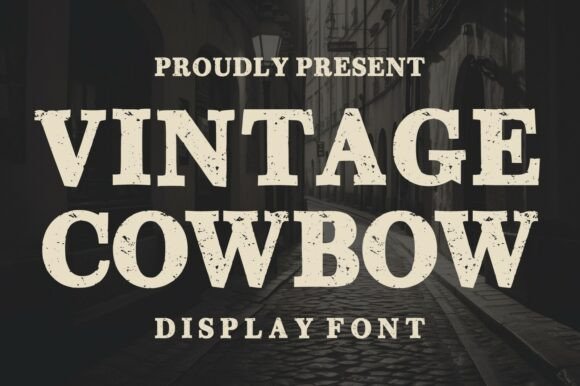
When a design project calls for the spirit of the frontier, standard serif fonts often fall flat. They lack the grit, history, and character required to truly evoke the American West. This is where Vintage Cowboy distinguishes itself as a specialized tool for creators. It is not merely a typeface with western aesthetics; it is a bold display font engineered with a rugged, distressed texture that mimics decades of weathering on classic saloon signage and ranch markers. For designers, marketers, and hobbyists looking to inject authentic atmosphere into their work, this font bridges the gap between historical nostalgia and modern visual impact.
Defining the Rugged Aesthetic
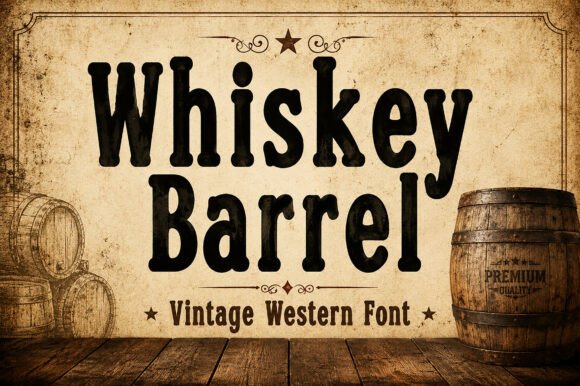
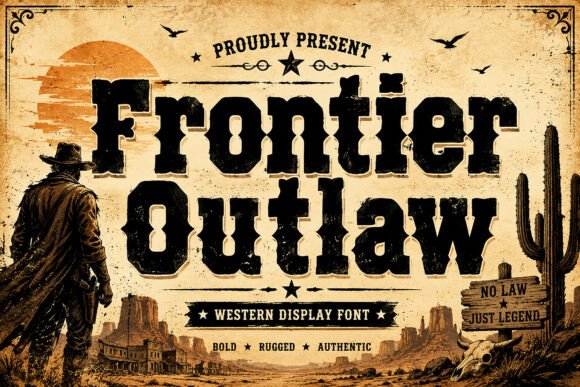
Understanding what makes this typeface unique requires looking beyond the basic letterforms. While many western fonts rely on exaggerated curves or novelty shapes, Vintage Cowboy grounds its design in strong, traditional serif structures. The primary appeal lies in the integrated wear and tear. Each glyph features intentional distressing that suggests age and exposure to the elements without compromising legibility. This texture is baked into the font file, meaning you do not need to apply external Photoshop brushes or overlay effects to achieve a worn look. The result is a typeface that feels organically aged rather than digitally manufactured, providing an immediate sense of authenticity that resonates with viewers familiar with rustic and retro styles.
Practical Applications for Modern Creators
The versatility of this display font extends far beyond costume party invitations or themed restaurant menus. Its bold weight and high-contrast details make it exceptionally useful across various professional and personal contexts. Because it commands attention without being illegible, it serves as an excellent anchor for projects requiring a strong visual hierarchy.
- Brand Identity and Logos: Small businesses in the artisanal, outdoor, or heritage sectors can use this font to establish instant brand recognition. It communicates craftsmanship and tradition, making it ideal for breweries, leatherworkers, barbecue joints, and boutique hotels.
- Apparel and Merchandise: T-shirts, hats, and bandanas require typography that holds up when printed on fabric. The rugged texture of Vintage Cowboy translates beautifully to screen printing and embroidery, adding tactile depth to clothing lines and promotional gear.
- Packaging Design: For products like coffee, whiskey, hot sauce, or handmade soap, packaging must stand out on crowded shelves. This font provides the shelf presence necessary to signal quality and rustic origin, helping products connect with consumers seeking authentic experiences.
- Event Branding: Music festivals, rodeos, weddings, and corporate retreats with western themes benefit from cohesive typography. Using this font across posters, tickets, and wayfinding signage creates a unified immersive environment.
Solving Common Design Challenges
Designers frequently encounter specific hurdles when working within the western genre. One common issue is finding a typeface that feels vintage but remains readable at smaller sizes or in digital formats. Many novelty western fonts are too ornate for web headers or social media graphics. Vintage Cowboy addresses this by maintaining robust stroke widths and clear counters even within its distressed framework. This ensures that headlines remain punchy on mobile screens and printed flyers alike.
Another challenge is avoiding cliché. The market is saturated with generic "wanted poster" fonts that feel dated or cartoonish. By focusing on realistic sign-painting aesthetics rather than caricature, this typeface allows professionals to create sophisticated designs that honor western heritage while appealing to contemporary tastes. It supports storytelling by acting as a visual cue for quality and history, solving the problem of how to communicate brand values instantly through typography alone.
Best Practices for Implementation
To get the most value from this font, users should approach it with intentionality. Because it is a display typeface with significant textural detail, it performs best when used sparingly and purposefully. Here are practical guidelines for integrating it effectively into your workflow:
- Reserve for Headlines: Use Vintage Cowboy exclusively for titles, logos, and short phrases. The intricate distressing will become muddy if used for body copy or captions. Pair it with a clean sans-serif or simple slab serif for supporting text to ensure readability and balance.
- Mind the Scale: This font shines at larger point sizes where the texture details are visible. If scaling down for business cards or social icons, test extensively to ensure the distressed elements do not merge into solid blobs.
- Color Considerations: While black is classic, this typeface responds well to earth tones, muted pastels, and metallic foils. Avoid neon or overly bright colors unless aiming for ironic contrast, as they can clash with the organic nature of the letterforms.
- Avoid Additional Effects: Resist the urge to add drop shadows, bevels, or extra grunge overlays. The font already contains substantial visual information. Adding more effects typically reduces clarity and makes the design look cluttered rather than enhanced.
Evaluating Suitability for Your Project
Before committing to Vintage Cowboy, consider whether its specific characteristics align with your project goals. It is perfect for designs needing warmth, history, and boldness. However, it may not suit projects requiring corporate sterility, futuristic minimalism, or delicate elegance. Ask yourself if the rugged texture supports your message or distracts from it. For educational materials about western history, cultural events, or heritage brands, it adds valuable context. For technical documentation or luxury spa branding, a different choice might be more appropriate.
Additionally, always verify licensing terms before commercial use. Whether you are a freelancer designing for clients or a business owner creating internal assets, ensuring proper usage rights protects your work and respects the type designer’s intellectual property. When used correctly within its intended scope, Vintage Cowboy offers a powerful combination of aesthetic appeal and functional clarity, making it a reliable asset for anyone looking to capture the enduring spirit of the West in modern creative work.