Cactus Rodeo: Bringing Authentic Western Typography to Modern Design
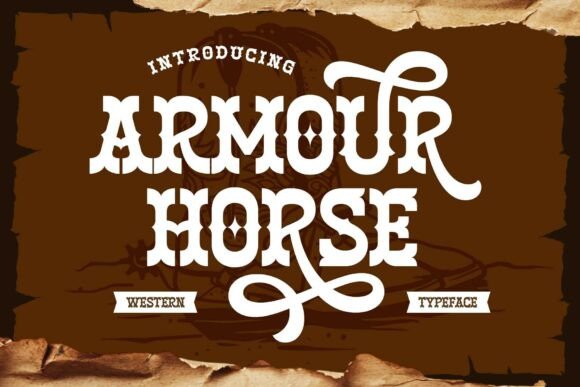
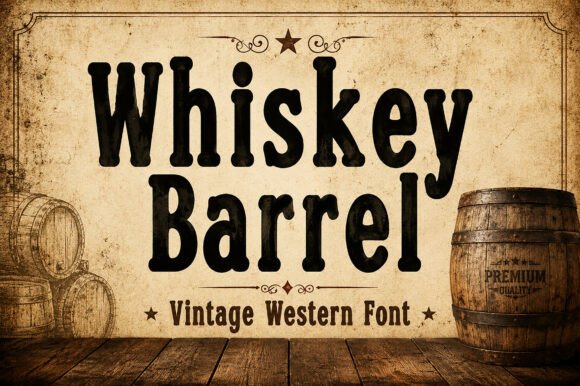
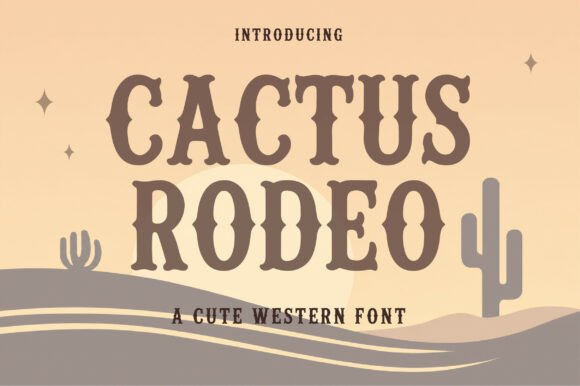
In the evolving landscape of graphic design and digital branding, the search for authenticity has become a driving force for creators across multiple disciplines. As audiences grow weary of sterile minimalism and generic sans-serif typefaces, there is a palpable shift toward typography that carries weight, history, and narrative. Cactus Rodeo emerges at this intersection as a bold western display font inspired by vintage cowboy posters and desert rodeo vibes. It is not merely a nostalgic throwback; it is a functional design tool that bridges the gap between mid-century Americana and contemporary visual communication. With its strong serif curves, playful character shapes, and retro wild-west style, this typeface offers a distinct solution for designers seeking to inject personality into their work without sacrificing professional polish.
The relevance of a font like Cactus Rodeo extends far beyond novelty. In an era where personal branding and niche marketing dominate, the ability to convey a specific atmosphere instantly is invaluable. This typeface captures the rugged elegance of the American West while remaining legible and versatile enough for modern applications. Whether utilized by a freelance designer crafting a logo for a craft brewery or a small business owner designing packaging for artisanal goods, the font serves as an immediate visual anchor. It communicates heritage and craftsmanship before the viewer even reads the text, leveraging decades of cultural association with the frontier spirit to build instant rapport with the audience.
The Resurgence of Heritage Aesthetics in Digital Spaces
Current design trends indicate a significant move away from the ultra-clean, tech-forward aesthetics that defined the early 2020s. We are witnessing a "new rustic" movement where digital and physical creations embrace texture, imperfection, and historical reference points. This shift is largely driven by changing consumer habits and a desire for tangible connections in an increasingly virtual world. Cactus Rodeo fits seamlessly into this trend by offering a modern vintage touch that feels curated rather than costumey. The evolution of western typography has moved past caricature; today’s successful designs use western elements subtly to suggest quality and tradition rather than to mimic a movie set.
This aesthetic shift is also influenced by the democratization of design tools. As platforms like Canva, Procreate, and Cricut Design Space make creation accessible to non-professionals, the demand for distinctive, high-quality assets has skyrocketed. Users are no longer satisfied with system fonts. They seek typefaces that tell a story. Cactus Rodeo answers this need by providing uppercase letters, numbers, and stylish punctuation symbols that give designs an authentic western look without requiring advanced typographic manipulation. The font’s inherent character allows hobbyists and professionals alike to achieve a bespoke appearance that previously required custom hand-lettering or expensive licensing fees for rare antique typefaces.
Versatility Across Physical and Digital Mediums
One of the primary reasons Cactus Rodeo has gained traction among diverse creator groups is its adaptability across different production methods. The technical construction of the font ensures it performs well in both print and digital environments, addressing a common pain point where decorative fonts lose integrity when scaled or manufactured. For those involved in sublimation and heat transfer vinyl projects, the strong serif curves and solid fill areas prevent weeding issues and ensure crisp edges on t-shirt designs and tumblers. This practical consideration makes it a favorite for makers who sell physical products on platforms like Etsy or at local markets.
In the digital realm, the font’s bold weight makes it exceptionally effective for social media graphics and web headers. On mobile screens, where space is limited and attention spans are short, thin or overly ornate scripts often fail to register. Cactus Rodeo maintains its presence even at smaller sizes, making it ideal for Instagram stories, Pinterest pins, and YouTube thumbnails. Its playful character shapes add a layer of approachability that prevents the western theme from feeling too aggressive or masculine, broadening its appeal to lifestyle bloggers, wedding planners, and educators creating themed materials. This cross-platform reliability is essential for modern workflows where a single brand identity must translate effortlessly from a business card to a billboard to a smartphone screen.
Strategic Branding for Niche Markets
For entrepreneurs and marketers, typography is a strategic asset that defines brand positioning. Cactus Rodeo is particularly effective for businesses operating in sectors where trust, tradition, and locality are key selling points. Consider the booming market for outdoor gear, farm-to-table dining, craft beverages, and heritage fashion. These industries rely heavily on visual cues that signal authenticity. Using a generic font can inadvertently signal mass production, whereas a typeface with retro wild-west style suggests a connection to roots and manual skill. The font acts as a shorthand for these values, helping brands differentiate themselves in saturated markets.
However, successful implementation requires restraint and context. While Cactus Rodeo is perfect for branding, logos, posters, and packaging, it functions best as a display face rather than body copy. Professional designers recommend pairing it with a clean, neutral sans-serif or a simple slab serif for extended reading. This contrast highlights the unique features of the western font while maintaining readability and user experience. For example, a coffee roaster might use Cactus Rodeo for the product name and tagline on a bag to evoke the campfire aesthetic, but use a legible geometric sans-serif for the brewing instructions and origin details. This balanced approach respects both the artistic intent of the typeface and the practical needs of the consumer.
Empowering the Maker Community and DIY Culture
The rise of the maker economy has fundamentally changed how typography is consumed and utilized. Cricut projects and sublimation have turned everyday consumers into micro-manufacturers, and their typographic needs differ significantly from traditional corporate clients. These creators prioritize fonts that are easy to cut, weed, and align. Cactus Rodeo’s design accounts for these fabrication realities. The letterforms are robust enough to withstand the cutting process without fracturing, yet detailed enough to retain their vintage charm when pressed onto fabric or wood. This technical suitability reduces waste and frustration, making the creative process more enjoyable and profitable for small-scale producers.
Furthermore, the inclusion of stylish punctuation symbols and comprehensive character sets addresses a frequent gap in decorative fonts. Many western-style typefaces lack necessary glyphs, forcing designers to mix mismatched fonts or draw symbols manually. By including a full suite of uppercase letters, numbers, and punctuation, Cactus Rodeo enables complete project execution within a single type family. This completeness is vital for creators producing consistent merchandise lines or event signage where typographic harmony is paramount. It reflects an understanding of the end-user’s workflow, prioritizing utility alongside aesthetics.
Navigating Authenticity and Modern Sensibilities
As western themes enjoy renewed popularity, it is important for creators to approach the aesthetic with mindfulness. The goal is to celebrate the rich visual history of the region without relying on outdated stereotypes. Cactus Rodeo facilitates this balance by focusing on typographic form rather than illustrative cliché. It avoids the cartoonish tropes that can make western design feel juvenile or insensitive. Instead, it draws inspiration from genuine historical artifacts—vintage posters, rodeo programs, and trade signs—grounding its style in documented design history. This adherence to source material gives the font a sense of integrity that resonates with educated audiences who value accurate cultural references.
For professionals and hobbyists alike, using Cactus Rodeo is an exercise in stylistic curation. It encourages users to think about the mood they wish to convey and how typography supports that narrative. The font works exceptionally well for rustic themed creations because it embodies the textures and rhythms of the landscape it references. Yet, its clean vector construction ensures it never looks distressed or degraded unless the designer chooses to apply those effects. This flexibility allows the typeface to age gracefully with design trends. As long as there is an appreciation for craftsmanship and regional identity, bold western display fonts will remain relevant tools in the creative arsenal.
Ultimately, the enduring appeal of Cactus Rodeo lies in its ability to serve multiple masters. It satisfies the marketer’s need for differentiation, the maker’s need for manufacturability, and the designer’s need for expressive form. In a digital ecosystem that often prioritizes speed and uniformity, choosing a typeface with such distinct character is a deliberate act of slowing down and adding depth. It reminds us that even in modern workflows, there is room for the bold, the playful, and the historically resonant. Whether applied to a high-end brand identity or a handmade gift, Cactus Rodeo provides the typographic foundation necessary to create work that feels both timely and timeless.