Grand Serif: Vintage Typography for Modern Branding
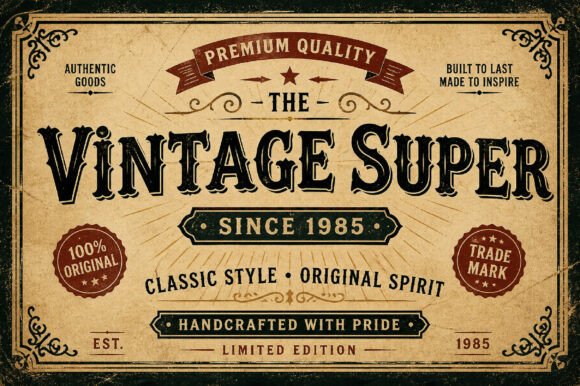
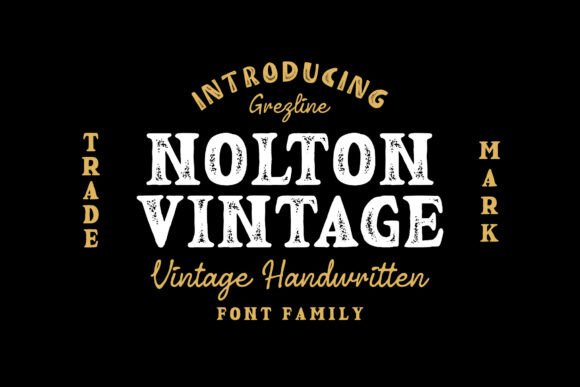
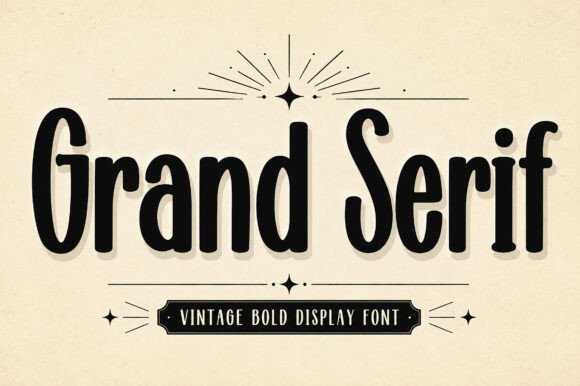
Capturing authentic nostalgia in modern visual design requires more than just applying a sepia filter; it demands typography that carries the weight and charm of a bygone era. Grand Serif is a bold and charming vintage display font inspired by classic book covers, retro signage, old-fashioned advertising, and timeless branding. With its tall letterforms, strong presence, and distinctive serif details, this typeface instantly adds character, elegance, and nostalgia to any design project. For graphic designers and marketers seeking to elevate their creative assets, understanding how to leverage such a specific typographic voice is essential for building memorable brand identities.
The Role of Display Typography in Visual Communication
In the realm of professional graphic design, typography serves as the primary vehicle for tone and personality. While body text prioritizes readability, display fonts like Grand Serif are responsible for emotional connection and visual hierarchy. This typeface bridges the gap between historical authenticity and contemporary aesthetics, making it a valuable tool for creators who want to evoke trust and heritage without appearing outdated. Its bold yet friendly personality ensures versatility, allowing it to function effectively across both professional branding and artistic display work.
When integrating this font into a design workflow, consider how its unique structure interacts with other elements. The tall x-height and pronounced serifs create natural anchor points in a layout, guiding the viewer’s eye and establishing a clear focal point. This makes it particularly effective for headlines, logotypes, and key messaging where immediate impact is necessary.
Practical Applications Across Creative Projects
Grand Serif excels in environments where storytelling and atmosphere are paramount. Its aesthetic aligns perfectly with industries that value craftsmanship, tradition, and premium quality. Designers can utilize this typeface to strengthen visual communication in several key areas:
- Brand Identity and Logo Design: Ideal for boutique shops, artisanal food brands, law firms, or hospitality businesses seeking a classic, established look.
- Packaging Design: Adds tactile appeal and shelf presence to wine labels, coffee bags, cosmetics, and gourmet products.
- Editorial and Print: Perfect for magazine mastheads, book covers, event posters, and café menus that require a sophisticated touch.
- Digital Marketing: Creates high-impact social media graphics and web headers that stand out in crowded digital feeds.
- Merchandise and Apparel: Translates beautifully to screen printing and embroidery on tote bags, t-shirts, and caps.
Best Practices for Implementation
To maximize the effectiveness of Grand Serif, designers must balance its decorative nature with functional design principles. Because it is a display font with significant personality, it works best when paired with clean, neutral sans-serifs or simple geometric typefaces for body copy. This contrast enhances readability and prevents the overall composition from feeling visually heavy or cluttered.
Color palette selection also plays a crucial role in reinforcing the vintage aesthetic. Muted earth tones, cream backgrounds, and deep charcoals complement the font’s traditional roots, while unexpected neon or pastel pairings can subvert expectations for a more modern, eclectic vibe. Always test scalability, especially for logo design and packaging, to ensure the intricate serif details remain crisp at smaller sizes.
Enhancing User Experience Through Nostalgia
In UX design and web presentation, typography influences how users perceive credibility and quality. Using a typeface with historical resonance can signal attention to detail and premium service. However, accessibility should never be compromised for style. Reserve Grand Serif for large headings and decorative elements, ensuring that interactive components and long-form content remain highly legible. This strategic use of typography contributes to a polished professional presentation that respects both the user's needs and the brand's narrative.
Ultimately, successful visual design relies on choosing assets that serve a purpose beyond mere decoration. Quality creative assets like Grand Serif provide the foundational texture needed to transform generic templates into distinctive brand experiences. By thoughtfully applying vintage typography within a structured design system, creators can produce work that feels both timeless and intentionally crafted, resulting in stronger engagement and lasting brand recognition.