Lazzleto: Reviving Vintage Horror Typography for Modern Design
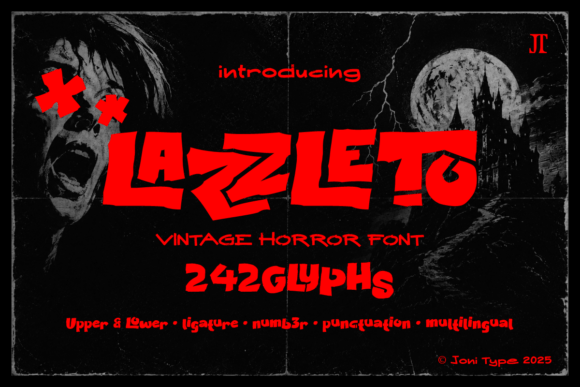
In the saturated landscape of digital design, capturing attention requires more than just clean lines and minimalist aesthetics. There is a growing demand for typography that carries weight, history, and visceral emotion. Lazzleto emerges as a definitive answer to this need, offering a bold vintage horror display font that bridges the gap between nostalgic terror and contemporary experimental design. Inspired by the gritty texture of retro slasher movie posters, underground comic lettering, and chaotic midnight graffiti, this typeface is not merely a collection of letters; it is an atmospheric tool designed to evoke a specific, terrifying yet playful mood.
For creators, marketers, and designers aged 20 to 50, the relevance of Lazzleto extends beyond simple aesthetic choice. It represents a shift in how audiences consume visual media. Modern viewers are increasingly drawn to imperfection and handcrafted authenticity as a counterweight to AI-generated smoothness and corporate sterility. Lazzleto’s rough shapes, distorted curves, and creepy irregular anatomy provide that necessary human touch, making every character feel alive with unpredictable energy. Whether you are designing a Halloween event brand, a creepy YouTube thumbnail, or streetwear merchandise, understanding the practical application of this typeface is essential for creating work that screams with personality.
The Resurgence of Analog Horror in Digital Spaces
To understand why a font like Lazzleto is currently vital, one must look at the broader evolution of horror aesthetics and consumer habits. Over the past decade, we have witnessed a significant cultural pivot toward "analog horror" and retro-futurism. This trend is not limited to film; it permeates gaming, streaming, fashion, and graphic design. Audiences are seeking the tactile sensation of physical media—the grain of VHS tapes, the bleed of cheap newsprint zines, and the uneven ink of hand-painted signage.
Lazzleto fits directly into this ecosystem. It rejects the perfection of modern sans-serif fonts in favor of a distressed, handcrafted identity. This aligns with changing user expectations where authenticity equates to trust and engagement. In an era where content is often consumed in fractions of a second on social feeds, the strong visual impact of a bold display typeface serves as an immediate hook. The font’s ability to blend nostalgic horror aesthetics with modern experimental typography allows designers to tap into collective cultural memories while presenting them through a fresh, relevant lens.
Furthermore, the rise of independent creator economies has democratized design. Streamers, indie game developers, and self-published authors now require professional-grade assets that distinguish their brands from mass-produced content. Lazzleto addresses this market need by providing a versatile solution that feels bespoke without requiring custom lettering services. Its chaotic energy mirrors the DIY ethos of underground scenes, making it particularly effective for creators who want to signal alignment with alternative or niche subcultures.
Anatomy of Terror: Technical Features and Creative Utility
While the aesthetic appeal of Lazzleto is its primary draw, its technical construction determines its utility in professional workflows. A horror font that lacks functional glyphs is nothing more than a novelty; Lazzleto is engineered for comprehensive use. Packed with 242 glyphs, it moves beyond basic uppercase and lowercase sets to include essential ligatures, numbers, punctuation, and multilingual support.
This extensive character set is crucial for several practical reasons:
- Ligatures and Alternates: Horror typography thrives on unpredictability. Built-in ligatures allow letters to interact in unexpected ways, mimicking the organic flow of hand-lettering rather than the rigid spacing of digital type. This prevents repetitive patterns that can break immersion in scary comic covers or album art.
- Multilingual Support: Horror is a global genre. For marketers and creators targeting international audiences, multilingual support ensures that the terrifying atmosphere remains consistent across different languages, avoiding the jarring effect of switching to a generic system font for accented characters.
- Punctuation and Numbers: Many display fonts neglect these elements, but they are vital for pricing on vintage horror merchandise, dates on event posters, or dialogue in game interfaces. Lazzleto maintains its irregular, handcrafted style even in utilitarian characters, ensuring cohesive branding across all touchpoints.
The "irregular anatomy" of the font deserves specific attention. In traditional typography, consistency is king. In horror design, consistency can be boring. Lazzleto’s distorted curves and rough edges create a sense of unease and movement. This makes it ideal for experimental typography projects where the text itself acts as an illustration. Designers can leverage these features to create dynamic compositions where the type interacts with negative space, photography, and other graphical elements in ways that standard fonts cannot.
Practical Applications Across Creative Industries
The versatility of Lazzleto becomes apparent when examining its application across diverse creative sectors. It is not a monolithic tool but a flexible asset that adapts to various contexts while maintaining its core identity.
Entertainment and Media Branding
For filmmakers and video creators, the title card sets the tone before a single frame of footage is seen. Lazzleto’s inspiration from retro slasher posters makes it an obvious choice for horror movie posters and trailers. However, its utility extends to creepy YouTube thumbnails and streaming graphics. In the highly competitive algorithm-driven environment of video platforms, high-contrast, textured typography improves click-through rates by signaling genre expectations instantly. Streamers using this font for overlays and alerts create a cohesive immersive experience that retains viewer attention.
Fashion and Merchandise
Streetwear and vintage horror merchandise rely heavily on graphic impact. Lazzleto’s bold weight ensures legibility on fabric, while its distressed texture adds perceived value and age to new garments. Designers creating t-shirts, patches, or tote bags can utilize the font’s ligatures to create unique wordmarks that function as standalone logos. The handcrafted quality resonates with consumers looking for apparel that feels curated and authentic rather than mass-manufactured.
Publishing and Zine Culture
Underground zines and scary comic covers benefit immensely from the font’s chaotic energy. Zine culture values raw expression over polished layout, and Lazzleto embodies this spirit. Its irregular shapes complement collage techniques, photocopy degradation, and mixed-media approaches common in independent publishing. For comic artists, the font provides a distinct voice for sound effects, titles, or supernatural dialogue, differentiating narrative elements visually.
Integrating Lazzleto Into Modern Workflows
Adopting a specialized display font like Lazzleto requires thoughtful integration into existing design processes. Professionals should consider the following practical implications to maximize effectiveness:
- Hierarchy and Pairing: Lazzleto is a loud, expressive display face. It demands space and contrast. Avoid pairing it with other decorative fonts. Instead, anchor it with clean, neutral sans-serifs or monospaced typefaces for body copy. This contrast enhances readability and allows Lazzleto’s personality to shine without overwhelming the viewer.
- Contextual Awareness: While the font is playful, it is rooted in horror. Ensure the tone matches the project. It works exceptionally well for Halloween events, metal albums, and thriller games but may be inappropriate for sensitive topics or corporate communications unless used with extreme irony and caution.
- Licensing and Usage: Always verify licensing terms for commercial projects. With 242 glyphs and multilingual support, ensure you are utilizing the full scope of the font file rather than treating it as a simple alphabet replacement. Explore OpenType features in your design software to access ligatures and alternates that elevate the final output.
- Testing Across Mediums: Distressed fonts can behave differently on screen versus print. Test Lazzleto at various sizes to ensure the rough edges do not disappear at small scales or become muddy in low-resolution web environments. The bold nature generally aids reproduction, but proofing is essential for professional results.
The Future of Expressive Typography
The success of typefaces like Lazzleto signals a maturing design market. We are moving away from a period where universal neutrality was the gold standard toward an era of expressive specificity. Creators and businesses are recognizing that typography is a primary vehicle for storytelling and emotional connection. As technology continues to advance, the desire for human-centric, imperfect design will likely intensify rather than diminish.
Lazzleto stands at this intersection of nostalgia and innovation. It respects the history of horror lettering while providing the technical robustness required for modern digital and print applications. For the entrepreneur launching a haunted attraction, the educator teaching graphic design history, the freelancer building a portfolio, or the hobbyist crafting a zine, this font offers a reliable pathway to creating work that is loud, eerie, and unforgettable.
Ultimately, choosing Lazzleto is a strategic decision to prioritize character over conformity. In a world of endless scrolling and fleeting attention spans, typography that feels alive with unpredictable energy does more than convey information—it creates an experience. By leveraging the rough handcrafted shapes and vintage horror aesthetics of this bold display typeface, designers can ensure their work doesn't just get seen; it gets felt. This is the enduring power of well-crafted horror typography: it transforms the act of reading into a visceral encounter, leaving a lasting impression long after the viewer has looked away.