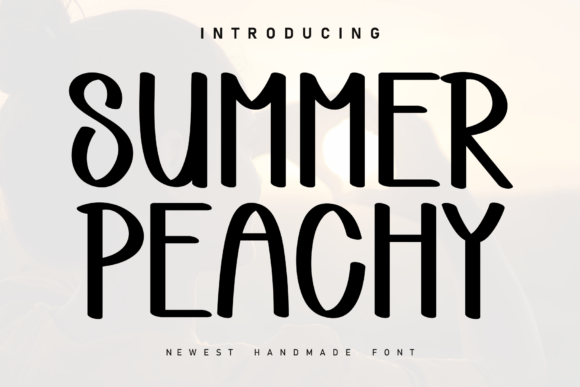
Summer Peachy: Strategic Application of Handwritten Typography in Modern Branding
Summer Peachy is a charming handwritten font filled with a sense of heartfelt perfection that serves as more than just an aesthetic choice; it is a strategic communication tool. Its smooth strokes and organic lines evoke a relaxed atmosphere, making it perfect for a variety of design projects where establishing emotional resonance is the primary objective. For entrepreneurs, marketers, and creators, selecting this typeface represents a deliberate decision to prioritize approachability and authenticity over rigid corporate formality. In a digital landscape often dominated by sterile sans-serifs and aggressive geometric displays, Summer Peachy offers a necessary counterpoint that can differentiate a brand’s visual identity while maintaining professional legibility.
The strategic value of this typeface lies in its ability to bridge the gap between personal expression and commercial application. When used intentionally, it signals to an audience that a business or project values human connection. However, the effectiveness of Summer Peachy depends entirely on context and execution. It is not a universal solution for every design challenge, nor should it be applied without considering the broader typographic hierarchy. Understanding when and how to deploy this font requires a nuanced approach to visual planning, ensuring that the warmth it provides supports rather than undermines your operational goals and messaging clarity.
Aligning Typography with Brand Positioning and Audience Expectations
Before integrating Summer Peachy into a branding suite or marketing campaign, decision-makers must evaluate whether its inherent characteristics align with their market positioning. This font carries specific semiotic weight; it suggests craftsmanship, intimacy, and leisure. If your brand positioning relies on authority, technical precision, or institutional trust, this typeface may introduce cognitive dissonance. Conversely, if your goal is to soften a brand’s image, appeal to a lifestyle-oriented demographic, or highlight artisanal quality, Summer Peachy becomes a high-value asset.
Consider the psychological impact on your specific audience segments. For small business owners targeting millennials and Gen Z consumers who prioritize authenticity, the organic imperfections of a handwritten style validate the brand's narrative. However, for B2B professionals or financial services, the same stylistic choices might inadvertently signal a lack of seriousness. The decision to use Summer Peachy should stem from a clear understanding of what your audience needs to feel to take the desired action. It is most effective when the "relaxed atmosphere" it evokes matches the customer experience you intend to deliver. If the product is high-stress or highly technical, the font creates friction; if the product is wellness, education, or creative services, it creates alignment.
Practical Applications Across Business Touchpoints
The versatility of Summer Peachy allows it to function across multiple operational areas, provided it is adapted to the specific constraints of each medium. Strategic application involves recognizing where handwritten typography adds value versus where it merely adds decoration.
- Brand Identity and Packaging: Use Summer Peachy for logotypes, taglines, or packaging accents to establish a proprietary feel. In this context, it acts as a signature, implying that a human hand was involved in the creation process. This is particularly effective for boutique retail, food and beverage brands, and personalized gift services.
- Digital Marketing and Social Media: On platforms like Instagram or Pinterest, where visual stopping power is essential, this font performs well in headlines and quote graphics. Its unique texture breaks the monotony of standard web fonts in feeds. However, ensure sufficient contrast and sizing for mobile readability.
- Client Communication and Stationery: For freelancers and consultants, using Summer Peachy in thank-you notes, invoice headers, or welcome packets can significantly enhance client retention. It transforms transactional documents into relational touchpoints, reinforcing the personal service aspect of your business model.
- Event and Experience Design: Invitations, signage, and menus benefit from the font’s inviting nature. It sets expectations for the event’s tone before attendees arrive. For wedding planners or event coordinators, it communicates attention to detail and bespoke care.
Mitigating Risks Through Typographic Hierarchy and Pairing
A common strategic error when utilizing display fonts like Summer Peachy is overuse. Relying on a single handwritten typeface for all textual elements leads to visual fatigue and compromised legibility. To achieve long-term results and maintain professional standards, you must treat Summer Peachy as an accent within a robust typographic system. It should rarely be used for body copy, lengthy descriptions, or critical legal information. Doing so risks alienating users with accessibility needs and diluting the specialness of the font itself.
Effective pairing is non-negotiable. Summer Peachy requires a stable, neutral partner to ground its organic energy. A clean geometric sans-serif or a traditional serif provides the necessary structural integrity for informational content. This contrast creates a dynamic tension that guides the viewer’s eye: the handwritten element captures attention and conveys emotion, while the supporting typeface delivers facts and facilitates reading. When planning your design assets, define strict rules for usage. Determine exactly which hierarchy levels (e.g., H1, pull quotes, captions) are permitted to use Summer Peachy and which must remain in the secondary typeface. Consistency in these rules builds brand recognition and prevents design drift over time.
Accessibility and Functional Considerations
Inclusive design is a business imperative, not an afterthought. While Summer Peachy is aesthetically pleasing, handwritten fonts inherently present accessibility challenges. Users with dyslexia or low vision may struggle to decipher complex ligatures or irregular baselines. Strategic use means acknowledging these limitations and designing around them.
Always test Summer Peachy at various sizes and against different background colors. What looks elegant at 72pt on a desktop monitor may become illegible at 16pt on a mobile screen. Ensure that any text rendered in this font meets WCAG contrast ratios. Furthermore, never embed critical information solely within an image of Summer Peachy text without providing alt text or HTML equivalents. If the message is vital for conversion or safety, default to a more accessible typeface and reserve Summer Peachy for decorative reinforcement. This approach protects your brand from liability and ensures your marketing efforts reach the widest possible audience effectively.
Evaluating Long-Term Value and Trend Resistance
Trends in typography cycle rapidly, and handwritten fonts are particularly susceptible to falling out of favor. Before investing heavily in Summer Peachy for permanent assets like signage or core logo marks, consider the longevity of the aesthetic. Ask whether the font reflects a timeless quality of your brand or merely a current design fad. Because Summer Peachy possesses "heartfelt perfection" through smooth, organic lines rather than distressed or grunge textures, it has a higher potential for longevity than trendier, messier script alternatives. Its classic calligraphic roots provide a foundation that transcends seasonal trends.
However, to future-proof your investment, use the font flexibly. Build brand systems where Summer Peachy is a key component but not the sole identifier. This allows you to dial the usage up or down depending on cultural shifts without requiring a total rebrand. For digital products and websites, utilize web-font loading strategies to ensure performance isn't sacrificed for style. Slow load times negate the positive emotional impact of beautiful typography. By treating Summer Peachy as part of a holistic, performance-aware design strategy, you ensure it contributes to sustainable growth rather than becoming a technical or aesthetic liability.
Making Intentional Decisions Over Random Selection
Ultimately, the difference between amateur design and strategic communication is intentionality. Avoid selecting Summer Peachy simply because it is "cute" or currently popular in template libraries. Instead, document the rationale behind its selection. Does it solve a specific communication problem? Does it align with the voice defined in your brand guidelines? Does it improve the user experience for your target demographic?
Create a style guide that explicitly outlines the dos and don'ts of using Summer Peachy. Include examples of correct pairings, approved color combinations, and minimum size requirements. Share this guidance with everyone who creates content for your organization, from social media managers to external agencies. When teams understand the why behind the font choice, they are better equipped to make autonomous decisions that maintain brand integrity. This level of operational discipline transforms a simple font file into a cohesive element of your business strategy, ensuring that every instance of Summer Peachy works toward your broader organizational goals.
By approaching Summer Peachy with the same rigor applied to other business decisions, you unlock its full potential. It ceases to be mere decoration and becomes a functional instrument for building trust, enhancing customer experience, and distinguishing your brand in a crowded marketplace. The charm of the font draws people in, but the strategy behind its use keeps them engaged. Whether you are launching a new product line, refreshing an established identity, or creating educational materials, let the application of this typeface be guided by clear objectives and a deep respect for the end user. In doing so, you ensure that the heartfelt perfection of Summer Peachy translates into tangible, measurable results for your endeavors.