Liquid Unflow: Strategic Application of Expressive Display Typography
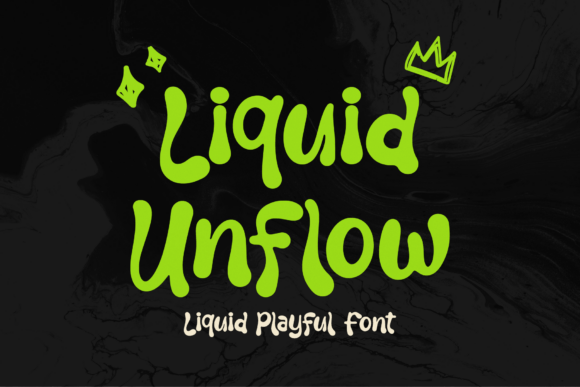
Visual identity in the alternative and streetwear sectors requires more than mere legibility; it demands an immediate, visceral transmission of brand ethos. Liquid Unflow serves as a specialized typographic tool designed to bridge the aesthetic gap between retro grunge skateboard graphics and contemporary street style capsule branding. This typeface is not a utility font for body copy or interface design. It is a strategic asset intended for high-impact moments where standard geometric sans-serifs fail to convey necessary cultural context. Understanding Liquid Unflow requires viewing it through the lens of brand positioning rather than simple decoration. Its fluid, heavy melting letterforms and wavy structural posture communicate a specific narrative of rebellion and organic imperfection that resonates with niche audiences aged 20 to 50.
For entrepreneurs, marketers, and creative directors, the decision to implement Liquid Unflow should be rooted in a clear understanding of its semiotic weight. The font’s bulbous baseline drops and casual hand-drawn energy are deliberate design choices that signal authenticity and counter-culture alignment. When applied correctly, this typeface acts as a visual shorthand, instantly categorizing a product or service within the independent alternative ecosystem. However, its expressive nature means it carries significant risk if deployed without strategic intent. Success lies in treating Liquid Unflow as a concentrated dose of attitude—a "toxic" element that must be measured precisely to enhance, rather than overwhelm, the overall communication strategy.
Aligning Typographic Choice with Brand Positioning
The primary strategic value of Liquid Unflow lies in its ability to differentiate brands in saturated markets. In industries like boutique energy drinks, independent apparel, and event promotion, consumers often scan visually before processing text. A clean, corporate typeface suggests safety and mass production. Conversely, Liquid Unflow suggests exclusivity, subcultural membership, and raw creativity. This distinction is vital for small business owners and freelancers attempting to carve out space against larger competitors. The font does not just display a name; it performs the labor of establishing tone.
When planning a visual identity system, consider Liquid Unflow as the anchor for your brand’s emotional register. It is most effective when the goal is to disrupt expectations or reinforce a gritty, authentic narrative. For example, a custom skate deck print utilizing this typeface leverages the font’s historical association with 90s skate culture while updating it for modern sensibilities. This duality allows brands to appeal to older demographics who recognize the retro reference, as well as younger consumers who appreciate the contemporary distortion. The strategic outcome is a broader yet deeper connection with the target audience, achieved through thoughtful typographic selection rather than generic trend-chasing.
Evaluating Context Before Implementation
Before integrating Liquid Unflow into a project, decision-makers must audit their current visual ecosystem. This typeface possesses a solid visual footprint that dominates negative space. If your existing layout is already dense with texture, illustration, or complex photography, adding Liquid Unflow may result in visual cacophony rather than emphasis. The font requires breathing room to function effectively. Strategic planning involves determining whether the hierarchy can support such a dominant element. Ask whether the message benefits from aggression and fluidity, or if clarity and stability are the higher priorities for that specific touchpoint.
Furthermore, consider the longevity of the application. Liquid Unflow is inherently trendy due to its stylistic specificity. While this makes it perfect for short-term campaigns, neon Halloween party invitations, or limited-edition drops, it may lack the versatility required for a decade-long corporate rebrand. Professionals must distinguish between tactical uses (seasonal marketing, social media headers) and foundational uses (primary logotypes). Using Liquid Unflow for a permanent logo requires confidence that the brand’s identity will remain tethered to this specific aesthetic indefinitely. For many, the smarter play is utilizing it as a secondary display face that can be rotated out as trends evolve, preserving brand relevance without sacrificing immediate impact.
Operational Considerations for Creative Execution
Executing a design with Liquid Unflow requires technical foresight and operational discipline. Because the letterforms are characterized by wavy structures and irregular baselines, standard typesetting rules often fail. Designers and creators should anticipate the need for manual kerning and optical adjustments. Relying on default tracking settings will likely produce awkward spacing that undermines the font’s hand-drawn energy. Budgeting time for meticulous refinement is essential to maintaining professional quality. The "casual" look of Liquid Unflow is a constructed illusion; achieving it requires rigorous attention to detail.
From a production standpoint, verify the technical requirements of the final output medium. The melting effects and fine details in the bulbous drops may not reproduce well at small sizes or on low-resolution screens. For boutique energy drink labeling, ensure the font remains legible when wrapped around a curved surface and printed on textured materials. For digital applications like social media headers, test the typeface across various device viewports to prevent critical information from being cropped or distorted. Operational excellence in typography means anticipating these friction points during the planning phase, preventing costly revisions later in the production cycle.
- Hierarchy Management: Pair Liquid Unflow exclusively with neutral, highly legible sans-serif or monospaced typefaces to create necessary contrast and maintain readability.
- Scale Testing: Always prototype at actual size; what looks dynamic on a 27-inch monitor may become illegible mud on a mobile screen or physical tag.
- Color Interaction: Test the font in both high-contrast and tonal color schemes, as the heavy ink traps can cause vibration or loss of definition in certain combinations.
- Licensing Compliance: Verify usage rights for commercial merchandise versus digital-only assets to avoid legal exposure in retail environments.
Mitigating Risks of Expressive Typography
The most common failure mode when using expressive display fonts like Liquid Unflow is prioritizing aesthetics over communication. There is a tangible risk that the "toxic attitude" of the layout obscures the value proposition. If a customer cannot read the product name or understand the event details within seconds, the artistic choice has failed strategically. Marketers and educators must advocate for the audience’s cognitive load. Use Liquid Unflow for headlines, logos, and accent elements, but never for functional information like pricing, dates, ingredients, or instructions. Clarity builds trust; confusion erodes it.
Additionally, be wary of cultural misalignment. Liquid Unflow carries specific connotations of alternative street culture. Applying it to a brand or message outside this sphere can appear inauthentic or performative. Decision-makers should evaluate whether the font’s inherent rebellion aligns with their actual organizational values. If the disconnect is too wide, the typography will feel like a costume rather than a genuine expression of identity. Authenticity is a key metric in modern branding, and typographic choices are scrutinized heavily by culturally literate consumers. Intentional use means ensuring the visual language matches the verbal promise.
Long-Term Value and Strategic Flexibility
Incorporating Liquid Unflow into a creative toolkit offers long-term value when viewed as part of a modular design system. Rather than seeing it as a singular solution, treat it as one voice in a broader typographic palette. This approach allows brands to toggle between intensity and neutrality depending on the campaign objective. A streetwear label might use Liquid Unflow for a collaboration drop to generate hype, then switch to a cleaner grotesque for their core essentials line. This flexibility prevents brand fatigue and keeps the visual identity dynamic. Planning for this variability upfront ensures that the investment in learning and licensing the font yields returns across multiple projects.
For freelancers and agencies, mastering Liquid Unflow represents a skill differentiator. Clients in the alternative space are often looking for designers who understand the nuance of grunge and street aesthetics beyond surface-level imitation. Demonstrating the ability to wield this typeface with restraint and precision signals expertise. It shows you understand that true expressiveness comes from control, not chaos. By documenting your process and rationale for using Liquid Unflow in case studies or portfolios, you convert a stylistic preference into a demonstrable strategic competency. This attracts clients who value thoughtful design over generic templates.
Ultimately, Liquid Unflow is a powerful instrument for those willing to use it with discipline. It offers a distinct advantage in capturing attention and conveying subcultural capital, but only when aligned with clear goals and realistic constraints. Whether you are designing a neon Halloween invitation or establishing a new energy drink brand, the measure of success is not how loud the font screams, but how effectively it speaks to the right people. Approach it strategically, execute it meticulously, and always prioritize the integrity of the message over the novelty of the form. In doing so, you transform a decorative asset into a sustainable component of your visual strategy.