Nolton Vintage: Authentic Rugged Serif Typography
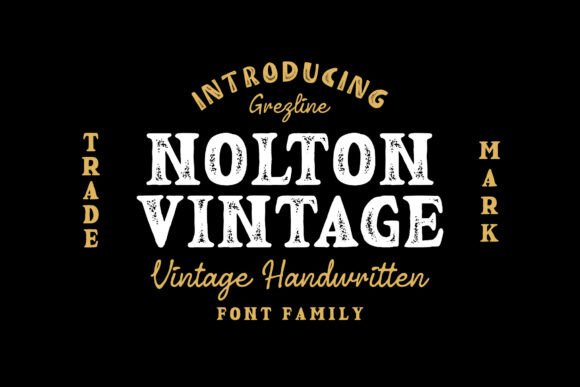
There is a distinct visual language associated with heritage brands, one that speaks of durability, history, and hands-on craftsmanship. When designing for industries rooted in tradition, standard clean lines often fail to convey the necessary weight of experience. This is where Nolton Vintage establishes its presence. It is not merely a collection of letterforms; it is a textured narrative tool designed to bridge the gap between historical industrial packaging and contemporary brand identity. As a rugged display font, it captures a timeless-and-hardworking soul through bold, hand-drawn serif structures that feel as though they have been stamped onto crates and signage for decades.
The immediate appeal of this typeface lies in its refusal to look digital. In an era of pixel-perfect vector smoothness, Nolton Vintage introduces a beautifully realistic ink-stamp grit texture. This organic imperfection is intentional. It mimics the natural bleed of ink on porous paper or the wear patterns found on vintage metal type. For designers and entrepreneurs, this texture does the heavy lifting of establishing authenticity without requiring extensive post-production distressing in Photoshop. The rhythmic, heavy structural weight of the letters commands attention while maintaining a warm, approachable personality that feels human rather than manufactured.
Ideal Applications for Heritage and Craft Branding
Understanding where to deploy a specialized creative font is just as important as selecting it. Nolton Vintage thrives in environments where storytelling and tactile quality are paramount. Its commanding personality makes it the premier choice for specific niches that rely on perceived value and artisanal quality.
- Independent Craft Breweries: The beer industry relies heavily on shelf appeal and label design. This font’s industrial aesthetic pairs naturally with matte papers and embossed finishes, signaling a product that is small-batch and carefully brewed.
- Boutique Barbershops and Grooming: Modern grooming brands often look to mid-century Americana for inspiration. Nolton Vintage provides the masculine, retro edge needed for storefront signage, price lists, and product labels without looking like a costume.
- Custom Leather Goods and Apparel: Whether stamped directly into leather or printed on hangtags, the font’s rough edges complement natural materials. It reinforces the idea of handmade durability.
- Social Media Headers and Content: On digital platforms, high-impact visuals stop the scroll. Using this typeface for YouTube thumbnails, Instagram stories, or blog headers creates instant recognition and sets a consistent mood for wild-and-weathered content themes.
Beyond these core verticals, the font serves editorial design and publishing projects focused on outdoor living, culinary history, or manual trades. It acts as a visual anchor, grounding modern layouts in a sense of established tradition.
The Impact of Texture on Brand Perception
Typography influences how an audience perceives a brand before they read a single word. A sleek, geometric sans serif font communicates efficiency and technology, but it can also feel sterile. Conversely, Nolton Vintage leverages its ink-stamp grit to trigger associations with longevity and reliability. This psychological effect is crucial for new businesses trying to establish trust or legacy brands refreshing their image without losing their roots.
The hand-drawn nature of the serifs prevents the design from feeling rigid. While the structural weight is heavy, the organic variations in stroke width introduce a sense of movement and life. This balance ensures that logo design applications feel bespoke rather than generic. When consumers see this level of typographic detail, they subconsciously attribute similar care and attention to the products or services being offered. It elevates the perceived value of packaging design and marketing collateral, transforming simple containers into collectible artifacts.
Readability and Visual Hierarchy Considerations
Despite its decorative qualities, functionality remains central to effective modern typography. Nolton Vintage is a display face, meaning it is optimized for headlines, titles, and short bursts of text. The intricate texture that gives it character can reduce legibility at small sizes or low resolutions. Designers must respect these boundaries to maintain professionalism.
Use this font to create a strong visual hierarchy. Let it dominate the top tier of your layout for maximum impact, then transition to a cleaner, simpler typeface for body copy. This contrast not only aids readability but also highlights the unique features of the vintage serif. Attempting to use a highly textured font for long-form paragraphs will fatigue the reader and dilute the font's special qualities. Reserve Nolton Vintage for moments where you need to make a statement, not for conveying dense information.
Strategic Font Pairing and Layout Integration
A premium font like Nolton Vintage rarely works in isolation. Successful brand identity systems rely on harmonious relationships between different type styles. Because Nolton carries so much visual weight and texture, its partners should provide breathing room and clarity.
- Clean Sans Serifs: A neutral, geometric sans serif (like Montserrat or Open Sans) offers the perfect counterpoint. The simplicity of the sans allows the vintage serif to shine without competing for attention.
- Minimalist Scripts: If a secondary accent is needed, avoid other heavy display fonts. Instead, opt for a refined, monoline handwritten font or script font. This adds a layer of personalization without adding more visual noise.
- Classic Body Serifs: For editorial or print-heavy projects, pair Nolton with a traditional, high-readability serif for body text. This maintains the thematic connection to print history while ensuring the reading experience remains comfortable.
When testing font pairing options, print samples at actual size. Textures that look subtle on a high-resolution monitor can become muddy on paper, or conversely, too faint on uncoated stock. Evaluating these physical interactions is a critical step in professional design assets selection.
Evaluating Fit and Licensing for Commercial Use
Before integrating Nolton Vintage into a project, conduct a thorough fit assessment. Does the brand voice align with "rugged" and "authentic"? A tech startup or medical clinic might find the aesthetic dissonant, whereas a woodworking studio or coffee roaster will find it synergistic. Review all included styles and alternates within the font family. Often, the difference between a good design and a great one lies in utilizing a specific ligature or alternate character that solves a spacing issue or adds a unique flourish to a logo mark.
Finally, always verify commercial font licensing. As a commercial font, proper licensing protects both the designer and the client. Ensure the license covers all intended mediums, including web embedding, app usage, and merchandise printing if applicable. Respecting intellectual property is a cornerstone of professional practice. By treating typography selection as a strategic business decision rather than a purely aesthetic choice, creators can leverage Nolton Vintage to build brands that feel genuinely established, resilient, and deeply connected to their craft.