Texas Western: Using Rugged Display Type Without the Clichés
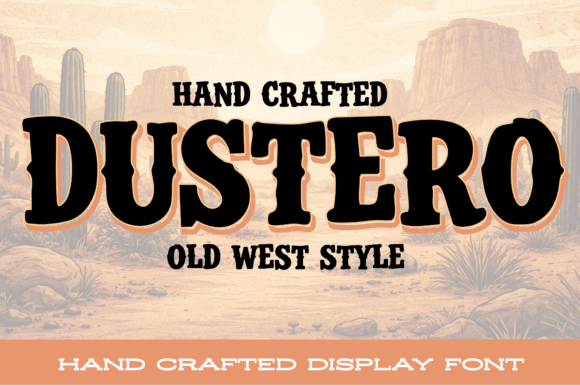
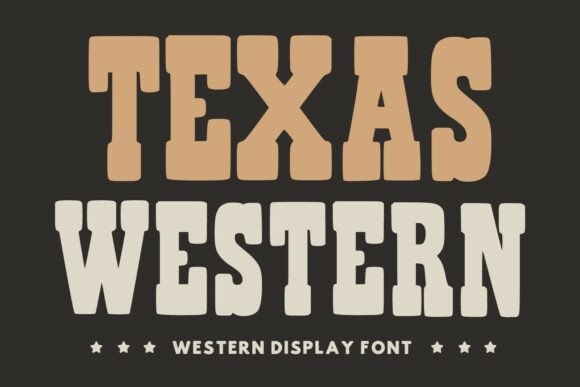
Texas Western is a bold, slab-serif display typeface that immediately evokes the imagery of the American frontier. Inspired by classic cowboy lettering and vintage signage, it carries a weight and texture that few modern fonts can replicate authentically. For designers, marketers, and business owners looking to establish a rugged or retro aesthetic, this typeface offers a shortcut to a specific cultural mood. However, its distinctive character is also its greatest liability. Because Texas Western commands so much visual attention, using it requires more restraint and strategic thinking than a standard sans-serif or script font.
The appeal lies in its authenticity. Unlike generic "wanted poster" fonts that feel like caricatures, Texas Western balances historical reference with modern legibility. It works exceptionally well for craft beer labels, barbecue restaurant branding, outdoor apparel, and event posters. Yet, many creators undermine their projects by treating this specialized tool as a universal solution. Understanding where this typeface succeeds—and where it frequently fails—is essential for maintaining professional quality in your design work.
The Trap of Over-Application in Layouts
The most common mistake when working with Texas Western is assuming that because it is a display font, it should dominate every element of a design. This typeface is loud. It has heavy strokes, pronounced serifs, and inherent decorative details. When used for headlines, subheads, captions, and body copy simultaneously, the result is visual noise rather than communication. The eye has nowhere to rest, and the hierarchy collapses.
A better approach treats Texas Western as an accent instrument. Use it strictly for primary headlines, logos, or short call-to-action phrases. Pair it with a clean, neutral typeface for supporting text. A simple geometric sans-serif or a sturdy humanist serif provides the necessary contrast to let the western elements shine without overwhelming the viewer. If you find yourself setting more than ten words in Texas Western at a time, pause and reconsider. The goal is to evoke an atmosphere, not to recreate a dense historical document that fatigues the reader.
Legibility Issues at Small Sizes
Slab serifs with vintage styling often suffer when scaled down. The intricate details that make Texas Western charming at 72pt become muddy blobs at 18pt. Many designers learn this lesson the hard way after printing business cards or packaging where the fine interior counters fill in with ink, rendering letters indistinguishable. This is not a flaw in the font itself but a misapplication of its intended scale.
Before finalizing any project, test the typeface at the actual output size. If you are designing for web, check rendering across different browsers and screen resolutions. If the font loses clarity below a certain threshold, respect that limit. Do not force Texas Western into footer text, legal disclaimers, or ingredient lists. Reserve those spaces for highly legible workhorse fonts. Maintaining readability ensures your message is received, which is ultimately more important than stylistic consistency.
Navigating Licensing and Commercial Use
Another frequent oversight involves licensing assumptions. Because western-style fonts are often associated with free download sites and hobbyist resources, many users assume Texas Western is free for all purposes. This assumption can lead to significant legal and financial risks for commercial entities. Using an unlicensed or improperly licensed font on merchandise, signage, or paid advertising can result in cease-and-desist letters or settlement demands.
Always verify the specific license agreement before incorporating Texas Western into a revenue-generating project. Check whether the license covers desktop use, web embedding, app usage, and merchandise production. Some licenses differentiate between personal projects and commercial branding. If you are a freelancer creating work for a client, ensure the license is transferred appropriately or purchased in the client’s name. Investing in the correct license upfront protects your reputation and avoids costly corrections later. Legitimate typography is a business asset, not a liability.
Avoiding Stereotypical Design Choices
While Texas Western draws from historical sources, there is a fine line between authentic homage and tired cliché. Pairing this font with sepia filters, stock photos of revolvers, and distressed textures can make a brand look like a costume party rather than a legitimate enterprise. Audiences today appreciate nuance. They respond better to designs that reference western heritage subtly rather than shouting it through every available visual channel.
Consider the context of your project. A modern steakhouse might benefit from Texas Western paired with minimalist whitespace and contemporary photography, creating a sophisticated tension between old and new. A heritage brand might use the font sparingly alongside genuine archival materials rather than artificial distressing. Ask yourself if the western aesthetic serves the brand’s current identity or merely relies on past associations. Thoughtful application elevates the typeface; lazy application diminishes both the font and the brand.
Technical Considerations for Digital and Print
Different mediums present unique challenges for ornate display typefaces. In print, ink spread and paper texture interact with the heavy strokes of Texas Western. On uncoated or textured stocks, the font may appear thicker and softer than anticipated on screen. Conversely, glossy coatings can sharpen edges but may create glare that obscures detail. Always request physical proofs or consult with your printer about how heavy slab serifs perform on your chosen substrate.
For digital applications, consider loading performance and fallback strategies. Display fonts with complex outlines can have larger file sizes. Ensure you are only loading the weights and styles you actually need. Additionally, define appropriate CSS fallback stacks. If Texas Western fails to load, the backup font should maintain similar proportions to prevent layout shifts. A condensed sans-serif might be a better fallback than a wide serif, preserving the intended spatial rhythm even if the aesthetic changes temporarily.
- Test extreme weights: Verify that bold and regular variants maintain consistent x-heights and spacing when used together.
- Check kerning pairs: Vintage-inspired fonts sometimes have uneven default spacing; manual adjustment may be necessary for logos and headlines.
- Evaluate color contrast: Heavy dark letters on dark backgrounds lose definition; ensure sufficient contrast ratios for accessibility and clarity.
- Review OpenType features: Some versions include alternates or ligatures that enhance authenticity; explore these before settling on default glyphs.
Making Informed Typography Decisions
Texas Western is a powerful tool when wielded with intention. Its strength lies in its ability to communicate heritage, durability, and regional identity instantly. But like any specialized instrument, it demands respect for its limitations. Before committing to this typeface, evaluate whether your project truly benefits from its specific voice. Consider your audience’s expectations, the practical constraints of your medium, and the long-term versatility of your design system.
When used correctly, Texas Western transforms ordinary layouts into memorable experiences. When used carelessly, it becomes background noise. Take the time to test, pair thoughtfully, license properly, and contextualize intelligently. Your designs will communicate more effectively, and your investment in typography will yield lasting returns. Good design isn’t about using the most distinctive font available; it’s about choosing the right font for the right moment and executing it with precision.