Lemon Chomp: A Practical Guide to Using This Zesty Display Font
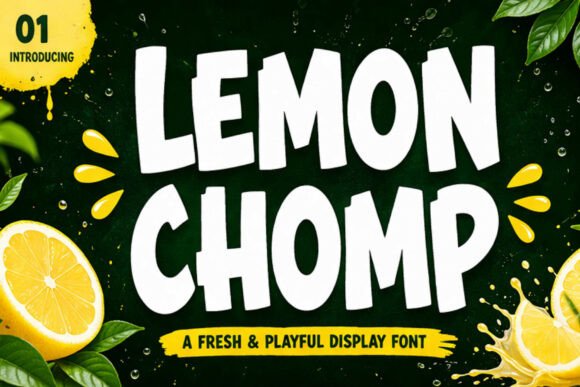
Lemon Chomp is an effervescent display font marinated in the lively spirit of vibrant branding culture, fruit-inspired aesthetics, and modern animated typographic trends. It showcases robust letterforms balanced by organic contours, imparting a contagious rhythm that puts the fun back in typography. Unmistakable for its exuberant personality and dynamic allure, this typeface is tailored to make a powerful visual statement while preserving an accessible style. However, because Lemon Chomp carries such a distinct flavor, it requires a thoughtful approach to application. Designers and marketers often fall into the trap of treating novelty fonts as mere decoration rather than functional communication tools. Understanding how to harness this energy without overwhelming your audience is the key to successful implementation.
Understanding the Role of Display Typography
Before integrating Lemon Chomp into your next project, it is vital to recognize what this font actually is. It is a display typeface, meaning it was engineered specifically for large-scale usage like headlines, logos, and packaging. A common mistake among beginners and even some seasoned professionals is attempting to use this style for body copy or extended reading passages. The organic contours and playful shapes that make Lemon Chomp so charming at 48pt become illegible noise at 12pt.
When you force a display font into a text role, you compromise readability and user experience. In digital campaigns or educational materials, this can lead to higher bounce rates or reduced comprehension. The solution is strict typographic hierarchy. Pair Lemon Chomp with a clean, neutral sans-serif or geometric typeface for supporting text. Let the zesty visuals handle the attention-grabbing, while a stable partner handles the information delivery. This contrast not only improves legibility but also makes the unique characteristics of Lemon Chomp pop more effectively against a restrained background.
Avoiding the "Wall of Juice" Effect
Enthusiasm is a double-edged sword in graphic design. Because Lemon Chomp encapsulates a supremely refreshing and cheerful ambiance, there is a temptation to use it everywhere to maintain that high energy. This results in what designers call visual fatigue. If every element on a snack package or festival poster screams for attention, nothing actually gets heard. The brain filters out excessive stimulation, rendering your carefully chosen typography ineffective.
To avoid this, apply the principle of negative space generously. Lemon Chomp has bold readability, but it needs room to breathe. When designing children-themed projects or lighthearted illustrations, resist the urge to fill every corner with bouncy lettering. Instead, use the font as a focal point anchored by ample whitespace or solid color blocks. This approach respects the viewer’s cognitive load and ensures the message remains clear and inviting rather than chaotic.
Evaluating Versatility Across Mediums
From branding and packaging to digital campaigns, Lemon Chomp’s playful shapes are infused with versatility. Yet, versatility does not mean universality. A frequent oversight occurs when designers assume a font that looks great on screen will automatically translate to print, or vice versa. The organic contours that look soft and friendly on a high-resolution monitor may appear muddy or lose definition when printed on textured paper or viewed on low-quality mobile displays.
Always test your typographic choices in the final output environment before committing to a full production run. For packaging design, request physical proofs to see how the ink interacts with the substrate. The robust letterforms of Lemon Chomp generally hold up well, but fine details in the "chomp" aesthetic might require adjustment depending on the printing technique. For digital work, check rendering across different browsers and devices. What looks crisp on a retina display might suffer from aliasing on older screens. Adjusting tracking or weight slightly for specific mediums can save a project from looking unprofessional.
Contextual Appropriateness and Brand Alignment
While Lemon Chomp is inspired by colorful festivals and contemporary creative design, it is not suitable for every brand voice. A critical error in font selection is prioritizing personal preference over brand strategy. Just because a typeface is trendy or fun does not mean it aligns with your target demographic or industry standards. Using this font for a luxury spa, a financial institution, or a somber memorial service would create a jarring dissonance that undermines trust.
Before downloading or purchasing, audit your brand attributes. Does your project require warmth, approachability, and energy? If yes, Lemon Chomp is a strong contender. If your goal is to convey stability, exclusivity, or tradition, look elsewhere. Even within appropriate industries like food and beverage or education, consider the specific tone. A premium artisanal juice bar might find the font too cartoonish, whereas a kids' summer camp would find it perfect. Honest evaluation prevents costly rebranding efforts later.
Technical Considerations and Licensing
Beyond aesthetics, practical logistics often trip up creators. When sourcing Lemon Chomp, verify the licensing terms meticulously. Fonts are software, and their usage rights vary significantly between personal, commercial, desktop, and web licenses. Assuming that a free download for personal use covers a commercial product launch is a legal and ethical risk that can result in cease-and-desist letters or financial penalties.
- Check OpenType Features: Many display fonts include alternate characters, ligatures, or swashes. Explore these features in your design software to add variety and prevent repetitive letter patterns in long headlines.
- Verify Language Support: If your campaign targets multilingual audiences, confirm that Lemon Chomp supports the necessary character sets. Missing glyphs can break the visual flow and alienate segments of your audience.
- Assess File Formats: Ensure you have the correct formats (OTF, TTF, WOFF2) for your intended platforms. Web fonts require optimization to prevent slowing down page load times, which negatively impacts SEO and user retention.
Balancing Trendiness with Longevity
Lemon Chomp reflects modern animated typographic trends, which is excellent for current relevance but poses a longevity challenge. Trends cycle quickly. If you are designing a logo or core brand identity intended to last five to ten years, relying solely on a highly stylized trend can date your brand prematurely. This doesn't mean you shouldn't use it; rather, it means you should use it strategically.
Consider using Lemon Chomp for seasonal campaigns, limited-edition packaging, or social media content where freshness is paramount. For permanent brand assets, you might use it as an accent rather than the primary logotype. Alternatively, ensure your overall brand system is flexible enough to swap out display fonts as trends evolve without losing recognition. This forward-thinking approach allows you to enjoy the zesty visuals of today while protecting your investment for tomorrow.
Ultimately, Lemon Chomp is a fantastic tool for injecting joy and vitality into visual communication. Its robust letterforms and organic contours offer a unique alternative to sterile corporate typography. By avoiding common pitfalls regarding hierarchy, medium specificity, contextual fit, and technical compliance, you can leverage this font to create work that is both delightful and effective. Remember that good typography serves the content first and the aesthetic second. When used with intention and restraint, Lemon Chomp delivers exactly the refreshing impact it promises.