Jelly Hop: Integrating Playful Display Typography into Professional Design Workflows
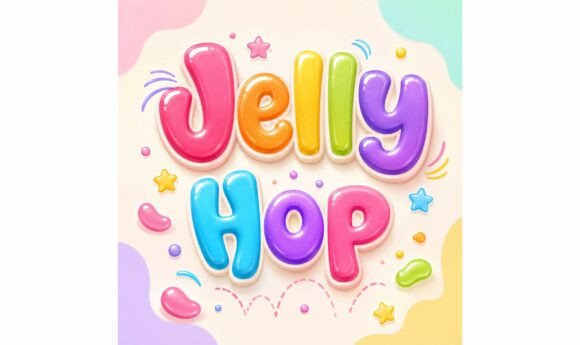
Selecting the right typeface is a strategic decision that defines the emotional tone of any creative project. For designers, marketers, and content creators targeting family-oriented or youth demographics, Jelly Hop serves as a specialized tool within the broader typography ecosystem. This display font features a soft bubble look inspired by jelly candy and playful shapes, offering a distinct aesthetic that communicates happiness and approachability. Unlike versatile sans-serif workhorses used for body copy, Jelly Hop functions as a high-impact visual anchor. Understanding where this asset fits into your design process ensures it enhances readability and brand alignment rather than compromising professional standards.
Strategic Placement in the Creative Process
Integrating a decorative typeface like Jelly Hop requires deliberate planning during the pre-production phase. It is not a universal solution but a targeted asset best deployed at specific touchpoints in a user’s journey. Before opening design software, evaluate the project’s primary objective. If the goal is to convey safety, sweetness, or childhood nostalgia, this font aligns with those KPIs. However, if the project requires conveying authority, luxury, or technical precision, alternative typefaces should be prioritized.
During the conceptualization stage, treat Jelly Hop as a headline or accent element. Its bold and bubbly appearance demands significant negative space to remain legible. When mocking up birthday party designs, nursery prints, or product packaging, allocate prime real estate for this typography. Avoid cramming it into tight margins or complex layouts where its rounded letter style might clash with other organic elements. The font performs optimally when it has room to breathe, allowing the candy-inspired aesthetic to register instantly with the viewer.
Defining Use Cases and Audience Alignment
Professional implementation depends on matching the typeface to the correct audience segment. Jelly Hop is engineered for specific verticals where a cute and friendly touch drives engagement. Creators working in the following areas will find the highest return on investment when utilizing this asset:
- Children’s Merchandise: T-shirt designs, tote bags, and stickers benefit from the soft, non-threatening geometry of the letterforms.
- Event Stationery: Birthday invitations, thank-you cards, and party banners require high-energy typography that signals celebration.
- Educational Materials: School projects, classroom decor, and learning aids use the rounded style to create an inviting atmosphere for young learners.
- Social Media Content: Thumbnails, story overlays, and promotional posts need immediate visual hooks that stop the scroll.
- Handmade Crafts: Cricut and Silhouette users appreciate the consistent stroke width which cuts cleanly on vinyl and paper.
For entrepreneurs and small business owners, consistency across these touchpoints builds brand recognition. Using Jelly Hop sporadically can make a brand feel disjointed. Instead, establish guidelines for when and how this font appears in your marketing collateral to maintain a cohesive visual identity.
Technical Integration and Tool Compatibility
Seamless workflow integration relies on technical compatibility. Jelly Hop is designed to interact smoothly with industry-standard creative platforms. Whether you are using Adobe Illustrator, Photoshop, Canva, or Procreate, the font file installs as a standard system resource. This universality allows teams to collaborate without format discrepancies. For print-on-demand sellers and crafters, verifying cut-line integrity is essential. The smooth curves of Jelly Hop generally translate well to vector cutting machines, but users should always perform a test cut on intricate letters to ensure no nodes are lost during the export process.
When working digitally, consider file size and rendering. While display fonts are typically lightweight, using them in web environments requires proper @font-face declarations or hosting through reliable services to prevent layout shifts. For social media managers creating templates in Canva or similar tools, saving Jelly Hop as a default brand kit element streamlines future production. This reduces the time spent searching for assets and ensures that every team member adheres to the established typographic hierarchy.
Pairing Strategies for Balanced Layouts
A common pitfall in using novelty fonts is pairing them with conflicting styles. Jelly Hop possesses strong personality traits; therefore, supporting typefaces should be neutral and structural. To maintain professional quality control, adhere to these pairing principles:
- Contrast Weight: Pair the bold bubbles of Jelly Hop with thin or regular-weight sans-serifs. Heavy serifs or other decorative scripts will compete for attention and reduce legibility.
- Geometric Harmony: Simple geometric sans-serifs (like Montserrat or Poppins) complement the roundness of Jelly Hop without mimicking it.
- Hierarchy Enforcement: Restrict Jelly Hop to H1 headers, logos, or short callouts. All body text, captions, and fine print must utilize a highly readable secondary font.
- Color Management: Because the font shape is inherently playful, color choices dictate maturity. Pastels enhance the nursery aesthetic, while saturated primaries emphasize the candy theme. Muted tones can surprisingly ground the font for more sophisticated children’s brands.
By establishing these rules early in the style guide, designers prevent scope creep where the novelty font overtakes functional communication.
Execution Tips for Print and Digital Media
The physical application of Jelly Hop varies significantly between mediums. In print production, specifically for items like mugs, greeting cards, and apparel, ink spread and material texture affect the final output. On absorbent papers or fabrics, the soft edges may bleed slightly, enhancing the organic feel. Conversely, on glossy surfaces or rigid signage, the edges remain crisp. Designers should adjust tracking (letter spacing) accordingly. Tighter tracking often works better for this specific bubble style to maintain word cohesion, whereas excessive spacing can break the visual connection between rounded characters.
For digital deliverables, accessibility remains a priority despite the decorative nature of the font. Ensure sufficient contrast ratios between the Jelly Hop text and its background. While the font is eye-catching, low-contrast pastel-on-pastel combinations fail WCAG standards and exclude visually impaired users. Always test social media graphics and web headers with accessibility checkers. Additionally, when animating this font for video content or motion graphics, leverage its bouncy morphology. Elastic easing functions mimic the physical properties of jelly, reinforcing the tactile inspiration behind the typeface design.
Quality Control and Long-Term Asset Management
Maintaining a professional standard involves rigorous quality control. Before finalizing any project featuring Jelly Hop, conduct a legibility audit. Ask stakeholders or test users to read the text at intended viewing distances. If the bubble forms obscure character recognition at smaller sizes, increase the point size or revert to a secondary display font for that specific instance. Never sacrifice comprehension for aesthetics.
Long-term management of this asset includes organizing font files within your team’s digital asset management (DAM) system. Tag Jelly Hop with relevant metadata such as "display," "kids," "rounded," and "seasonal." This facilitates rapid retrieval during peak seasons like back-to-school or holiday sales cycles. Furthermore, keep track of licensing agreements. As usage expands from personal crafts to commercial merchandise or enterprise advertising, ensuring compliance protects the business from legal risk. Regular audits of font licenses are a best practice for any growing creative operation.
Maximizing Impact Through Contextual Awareness
Ultimately, Jelly Hop is a facilitator of emotional connection. Its value lies not just in its glyph shapes, but in its ability to signal safety and joy to a specific demographic. Successful implementation requires empathy for the end-user. A parent looking for nursery decor seeks reassurance and warmth; a child engaging with educational material needs encouragement and fun. By anchoring your design decisions in these user needs, the font transitions from a mere stylistic choice to a functional communication tool.
Creators should also monitor trends in kids' design and candy aesthetics to ensure their use of Jelly Hop remains fresh. While the font itself is static, its application can evolve. Experimenting with texture overlays, gradient fills, or 3D extrusion effects can extend the lifespan of the typeface in your portfolio. However, always return to the core principle: clarity and cheerfulness. When used with intention and technical discipline, Jelly Hop elevates creative projects, turning standard messages into memorable, sweet experiences that resonate deeply with audiences seeking a touch of whimsy in their daily lives.