Honey Sweet: Integrating Festive Typography into Professional Design Workflows
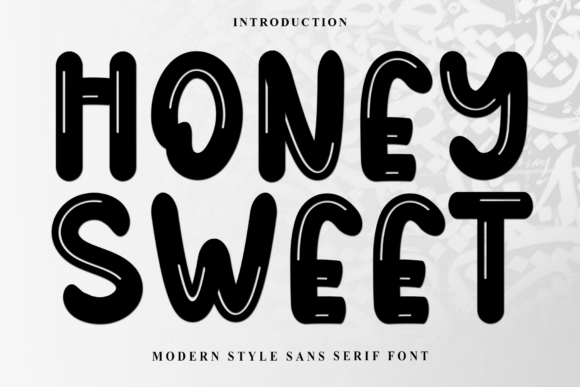
Seasonal design projects require a delicate balance between professional polish and thematic warmth. When planning holiday campaigns, greeting card lines, or festive packaging, the typography selected often dictates the entire emotional trajectory of the project. Honey Sweet is a festive and merry typeface that captures the spirit of the holiday season, serving as more than just a decorative element; it functions as a strategic asset in establishing brand voice during peak retail and engagement periods. With its decorative elements and whimsical flair, it adds a touch of enchantment to designs without sacrificing legibility or structural integrity.
For designers, marketers, and small business owners, integrating a specialized font like Honey Sweet requires understanding its technical specifications and aesthetic boundaries. This typeface is PUA encoded, which means you can access all of the amazing glyphs and ligatures with ease, streamlining the production process for high-volume seasonal assets. Understanding how to leverage these technical features within standard design software ensures that the transition from concept to final output remains efficient and consistent across various media formats.
Strategic Planning and Pre-Production Assessment
Before opening design software, effective workflow management begins with assessing whether Honey Sweet aligns with the specific communication goals of the project. While perfect for greeting cards, gift tags, and holiday-themed projects, this font brings a cheerful and nostalgic ambiance that may not suit every corporate communication. During the planning phase, creators should evaluate the hierarchy of information. Honey Sweet excels as a display typeface for headlines, hero images, and short-form messaging. It is less suitable for dense body copy or instructional text where neutrality and rapid readability are paramount.
In a collaborative environment, establishing usage guidelines early prevents inconsistency. If multiple team members are producing assets for a holiday campaign, define exactly which weights and alternates of Honey Sweet are approved for use. This pre-production step reduces revision cycles later. Consider the medium as well; the intricate swashes and ligatures that make this typeface unique may require higher resolution or specific vector handling when applied to large-format print versus social media graphics. Mapping out these constraints during the briefing stage ensures the font enhances rather than complicates the execution phase.
Technical Setup and Accessing PUA Encoded Glyphs
A common bottleneck in using decorative typography is the inability to easily access special characters. Honey Sweet eliminates this friction through PUA (Private Use Area) encoding. For professionals working in Adobe Illustrator, Photoshop, Affinity Designer, or Canva, this encoding allows direct access to alternate characters without requiring specialized glyph palette plugins or complex keyboard shortcuts. Integrating this capability into your setup involves a brief verification process upon installation.
- Glyph Panel Verification: Open your primary design application’s glyph panel to confirm all alternates are visible. Familiarize yourself with the location of specific swashes, ornaments, and ligatures before starting production.
- Software Compatibility Check: Test the font across all platforms used in your workflow. Ensure that the PUA characters render correctly if files are transferred between different programs or shared with external vendors.
- Preset Creation: For high-volume projects like gift tag sets or email headers, create character styles or text presets that include your preferred Honey Sweet alternates. This standardizes the look and significantly speeds up repetitive tasks.
- Ligature Management: Decide whether automatic ligatures support your layout needs or if manual selection provides better control over spacing and visual rhythm.
By treating font setup as a technical configuration step rather than an afterthought, designers maintain momentum during the creative execution phase. Let your typography shine with the magic of Beautiful Font by ensuring the tool itself is optimized for your specific software environment.
Execution: Balancing Whimsy with Functional Design
During the active design phase, Honey Sweet serves as an anchor for the visual identity. The key to successful implementation lies in pairing. Because this typeface carries significant visual weight and personality, it requires supportive, neutral sans-serif or simple serif companions for secondary text. This contrast ensures that the festive elements remain the focal point without overwhelming the viewer. In e-commerce banners, for example, use Honey Sweet for the promotional hook ("Happy Holidays") while utilizing a clean, highly legible typeface for discount codes, dates, and terms of service.
Workflow efficiency also depends on how the font interacts with other visual assets. When combining Honey Sweet with photography or illustration, pay close attention to negative space. The decorative flourishes inherent in the typeface need room to breathe. Cramping these elements against busy backgrounds diminishes their impact and creates visual clutter. In digital workflows, consider exporting headline treatments as SVGs or transparent PNGs to preserve crisp edges across responsive breakpoints. For print workflows, ensure that fine details in the ligatures do not fill in during the printing process, particularly on uncoated paper stocks or textured card materials.
Quality Control and Cross-Platform Consistency
Post-production review is critical when using stylized typography. What looks balanced on a high-resolution monitor may translate differently in physical print or on mobile screens. Implement a quality control checklist specifically for typographic elements. Verify that kerning adjustments made for specific ligatures have not created awkward gaps elsewhere in the wordmark. Check that the nostalgic ambiance translates appropriately across different color modes; RGB screens often render decorative fonts more vibrantly than CMYK print profiles.
For entrepreneurs and educators creating reusable templates, consistency is a long-term asset. Document which specific alternates of Honey Sweet were used in master files. This documentation proves invaluable when returning to the project next season or when onboarding new freelancers. It transforms a subjective artistic choice into a reproducible system component. Additionally, always embed fonts correctly in PDF deliverables or outline text for commercial printers to prevent substitution errors that could ruin a batch of holiday merchandise.
Integration Across Diverse User Workflows
The utility of Honey Sweet extends beyond traditional graphic design. Different user groups integrate this asset into distinct operational flows based on their specific outcomes.
Marketers and Content Creators: For social media managers, speed is essential. Utilizing Honey Sweet in template-based workflows allows for rapid content generation that maintains seasonal relevance without custom lettering for every post. The PUA encoding facilitates quick swaps of initials or end-swashes to create variety from a single master template, keeping feeds fresh while adhering to brand guidelines.
Educators and Hobbyists: Teachers creating classroom decorations or crafters designing personalized gifts benefit from the font’s approachable nature. Here, the workflow focuses on accessibility and customization. The ability to easily access glyphs means non-professionals can achieve bespoke results without learning complex vector drawing tools. Projects such as student name tags, certificates, or scrapbook layouts gain a polished, handmade aesthetic that feels personal rather than generic.
Small Business Owners and Publishers: For product packaging and editorial layouts, Honey Sweet acts as a differentiator in a crowded market. The workflow here integrates typography with structural design. Testing the font on actual die-lines and mockups ensures that the whimsical flair complements rather than obscures essential product information. Publishers might use it for chapter openers or special edition covers, where the font signals a departure from standard content and invites the reader into a curated experience.
Long-Term Asset Management and Licensing Awareness
Sustainable design practices involve organizing assets for future retrieval. Store Honey Sweet in a clearly labeled folder within your font manager or cloud storage system, tagged with relevant metadata such as "Holiday," "Script," "Display," and "PUA." This organization reduces search time during crunch periods. Furthermore, maintaining awareness of licensing terms is part of professional responsibility. Ensure that your license covers the intended use case, whether that be desktop publishing, web embedding, or commercial merchandise. Keeping licensing documentation alongside the font file protects businesses from compliance issues and supports the type designers who create these valuable tools.
Ultimately, Honey Sweet is a versatile instrument for conveying seasonal sentiment. By approaching its use with the same rigor applied to layout grids and color theory, professionals can elevate their holiday projects from merely decorative to strategically effective. The combination of technical accessibility through PUA encoding and distinct aesthetic character makes it a reliable choice for those looking to bring warmth and professionalism to their seasonal communications. Through careful planning, precise execution, and thoughtful integration, this typeface becomes a seamless part of a productive creative workflow.