High Street Font: Elegant Script for Modern Design
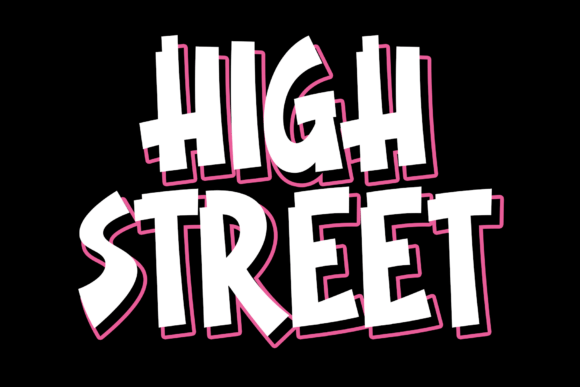
Elevating a creative project from standard to exceptional often hinges on selecting typography that balances artistic flair with functional clarity. High Street is a stylish and incredibly elegant script font that looks stunning on wedding invitations, thank you cards, quotes, greeting cards, logos, business cards, and every other design which needs a handwritten touch. For graphic designers and brand strategists, this typeface offers a sophisticated solution for injecting warmth and personality into visual communications without sacrificing professional polish. Its fluid strokes and refined details make it a versatile asset in modern design workflows where authenticity and premium aesthetics are paramount.
The Role of Script Typography in Visual Identity
In the realm of branding and visual design, typography serves as the voice of the brand identity. While sans-serif fonts often handle utility and body copy, script fonts like High Street carry the emotional weight of a design system. This typeface bridges the gap between traditional calligraphy and contemporary digital aesthetics, making it highly effective for brands aiming to convey luxury, intimacy, or artisanal quality. When integrated thoughtfully, it enhances the user experience by creating focal points that guide the viewer’s eye through the visual hierarchy.
Unlike overly ornate display fonts that can struggle with legibility at smaller sizes, High Street maintains excellent readability across various applications. This balance is crucial for maintaining consistency in cross-platform marketing materials, ensuring that the brand message remains clear whether viewed on a mobile screen or printed on textured stationery.
Practical Applications Across Creative Projects
Versatility is a key factor when evaluating creative assets for professional use. High Street adapts seamlessly to multiple design disciplines, providing a cohesive thread through diverse touchpoints:
- Branding and Logo Design: Ideal for boutique businesses, beauty brands, and hospitality sectors requiring a signature look that feels bespoke rather than generic.
- Packaging Design: Adds a tactile, handcrafted element to product labels and boxes, increasing perceived value and shelf appeal.
- Social Media Graphics: Creates engaging overlays for Instagram stories or Pinterest pins, helping text stand out against photographic backgrounds.
- Editorial and Web Design: Serves as an impactful accent font for pull quotes, headers, or hero sections, breaking up rigid grid layouts with organic movement.
- Print Collateral: Enhances the tactile experience of business cards, event programs, and direct mail campaigns through elegant typographic contrast.
Best Practices for Implementation
To maximize the impact of High Street within a design workflow, professionals must consider composition and pairing strategies. Script fonts command attention and should be used sparingly to preserve their elegance. Overusing decorative typography can clutter the interface and diminish the intended premium effect. Instead, leverage this font for high-impact moments while relying on clean, neutral typefaces for supporting information.
Color palette selection also plays a significant role in how this typeface performs. High-contrast combinations, such as gold foil on deep navy or white text on matte charcoal, amplify the font's sophisticated character. In UI design and web accessibility contexts, ensure that the stroke width remains sufficient against the background color to meet WCAG standards, particularly when used in navigation or essential calls to action.
Evaluating Typography for Professional Results
When incorporating High Street into existing brand systems, consider the following technical and aesthetic factors to ensure a polished outcome:
- Scalability: Test the font at various sizes to confirm that intricate ligatures and swashes do not become muddy in small print or low-resolution digital displays.
- Pairing Compatibility: Match the script with geometric sans-serifs or classic serifs to create a balanced visual rhythm that supports modern aesthetics.
- Audience Alignment: Verify that the handwritten style resonates with the target demographic’s expectations for the specific industry or niche.
- Whitespace Management: Allow ample breathing room around the lettering to let the elegant curves shine without competing with adjacent elements.
Thoughtful typography choices are fundamental to effective visual communication and lasting brand recognition. By integrating quality creative assets like High Street, designers can transform standard layouts into memorable experiences that resonate emotionally with audiences. Whether refining a logo mark or designing a comprehensive marketing campaign, prioritizing elegance and usability ensures that the final output not only looks beautiful but also functions effectively within the broader context of professional graphic design.