Groovy Buggie: Retro Bubble Font for Modern Design
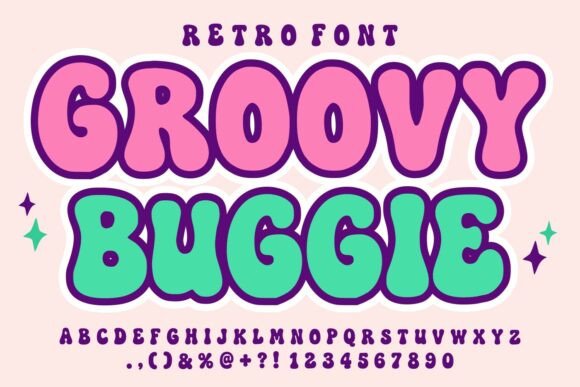
Typography has the unique power to set an emotional tone before a single word is read. When a project requires instant warmth, approachability, and a distinct sense of nostalgia, Groovy Buggie serves as an exceptional visual anchor. This display typeface captures the optimistic spirit of 60s and 70s pop culture while maintaining the clean vector precision required for contemporary digital and print media. Unlike distressed vintage fonts that can sometimes feel gritty or hard to read, Groovy Buggie offers a polished, cheerful aesthetic defined by chunky rounded letterforms and playful curves.
The font’s primary strength lies in its ability to communicate happiness without sacrificing legibility. Its bubble-inspired structure creates a friendly silhouette that appeals to a broad demographic, bridging the gap between childhood nostalgia and adult appreciation for retro design. For designers, marketers, and content creators, understanding how to leverage this specific typographic personality is key to creating work that feels both timeless and current.
Defining the Retro Bubble Aesthetic
Groovy Buggie is not merely a reproduction of mid-century typography; it is a modern interpretation optimized for today's design landscape. The letterforms feature smooth, continuous edges that eliminate sharp corners, creating a soft visual texture. This rounding effect triggers a psychological response associated with safety, comfort, and playfulness. In an era where many brands are moving toward sterile minimalism, introducing a typeface with such tangible character can help a project stand out in crowded feeds and marketplaces.
The font works best when treated as a graphical element rather than just a vehicle for text. Because of its bold weight and distinctive shape, Groovy Buggie functions effectively as a logo mark or a headline treatment. It carries enough visual density to hold its own against busy backgrounds or vibrant color palettes, making it particularly useful for projects that need to grab attention quickly, such as social media thumbnails or retail packaging.
Strategic Applications Across Industries
Versatility is crucial for any display font. While Groovy Buggie has a distinct retro identity, its utility extends across multiple sectors. Understanding where and how to apply it ensures the design remains effective and appropriate for the target audience.
Children’s Products and Educational Materials
The rounded, non-threatening geometry of Groovy Buggie makes it a natural fit for youth-oriented design. However, the application should go beyond simple labeling. Consider using the font to create interactive learning elements where the letters themselves become characters or shapes. For toy packaging, the typeface communicates fun and safety simultaneously. In classroom materials or educational apps, the high x-height and open counters support early reading skills while maintaining an engaging, energetic atmosphere that keeps young learners interested.
Retro Branding and Merchandise
For entrepreneurs and small business owners tapping into the Y2K or 70s revival trends, authenticity matters. Groovy Buggie provides the vintage vibe without the degradation often found in scanned historical assets. This clarity is essential for merchandise like t-shirts, tote bags, and stickers where print quality defines perceived value. When designing apparel, consider pairing the font with period-accurate colorways—mustard yellows, burnt oranges, and teal blues—to reinforce the nostalgic narrative. The font’s bold nature also ensures readability from a distance, which is critical for event signage and festival branding.
Digital Content and Social Media
In the fast-scrolling environment of Instagram, TikTok, and YouTube, typography must be instantly recognizable. Groovy Buggie’s unique silhouette acts as a visual hook for thumbnails and story overlays. Content creators can use the font to establish a consistent brand voice that feels personal and creative. Because the letterforms are substantial, they remain legible even when scaled down for mobile screens. Pairing this typeface with kinetic typography or animated transitions can further enhance the "groovy" personality, turning static text into dynamic video content.
Maximizing Readability and Visual Hierarchy
While Groovy Buggie is undeniably expressive, it is still a display font. Maintaining clarity requires thoughtful composition. The chunky nature of the letterforms means that tight tracking (letter spacing) can cause characters to merge visually, reducing legibility. Designers should generally allow for generous spacing or rely on the font’s built-in metrics to ensure each bubble shape retains its integrity.
Hierarchy is equally important. This typeface demands attention, so it should be reserved for headlines, logos, and short call-to-action phrases. Using Groovy Buggie for body copy will overwhelm the reader and dilute its impact. Instead, pair it with a clean, neutral sans-serif or a simple geometric typeface for supporting text. This contrast allows the retro font to shine as the focal point while ensuring the informational content remains accessible and professional. The goal is to let Groovy Buggie provide the flavor while a secondary font delivers the substance.
Creative Styling and Customization Techniques
To get the most value from Groovy Buggie, move beyond basic typing and explore stylistic modifications that enhance its retro character. The smooth curves invite various treatments that can tailor the font to specific project needs.
- Layered Color Effects: Create depth by stacking multiple copies of the text in contrasting colors. A classic 70s technique involves using three or four tones to create a striped or shadow effect within the letterforms. This adds dimensionality without requiring complex 3D rendering.
- Warping and Liquify: Embrace the fluid nature of the bubble aesthetic by gently warping the baseline or applying a liquify effect. Subtle distortions can make the text feel organic and hand-drawn, reinforcing the human touch that defines retro design.
- Texture Overlays: While the font is digitally clean, adding grain, halftone patterns, or paper textures can ground it in a physical reality. This hybrid approach combines modern usability with vintage tactility, perfect for poster art and album covers.
- Custom Ligatures: Take advantage of the rounded terminals to create custom connections between letters. Manually adjusting overlapping characters can create a flowing, continuous line that mimics neon signage or inflatable graphics.
Balancing Nostalgia with Modern Usability
The resurgence of retro design is not just about looking backward; it is about bringing past optimism into present contexts. Groovy Buggie succeeds because it respects the source material while adhering to modern standards of vector quality and versatility. For freelancers and agencies, this means delivering assets that are production-ready for everything from large-format billboards to tiny app icons.
When integrating this font into a broader design system, consistency is key. Establish guidelines for how and when the typeface appears. Perhaps it is used exclusively for campaign headers or seasonal promotions. By defining these parameters, you prevent the novelty from wearing off and ensure the font remains a powerful tool in your creative arsenal. Ultimately, Groovy Buggie is more than a stylistic choice; it is a strategic asset for communicating joy, creativity, and approachable professionalism in a digital landscape that often lacks personality.