Fawne: Elevating Luxury Branding with Artisanal Beaded Typography
In the competitive landscape of luxury design, standard serif and sans-serif typefaces often fail to convey the tactile essence of handcrafted goods. When branding high-end jewelry, boutique fashion, or artisanal cosmetics, designers face a unique challenge: translating the physical sensation of texture, weight, and craftsmanship into a two-dimensional visual identity. This is where Fawne distinguishes itself as more than just a display font; it is a strategic design asset that bridges the gap between digital presentation and physical artistry.
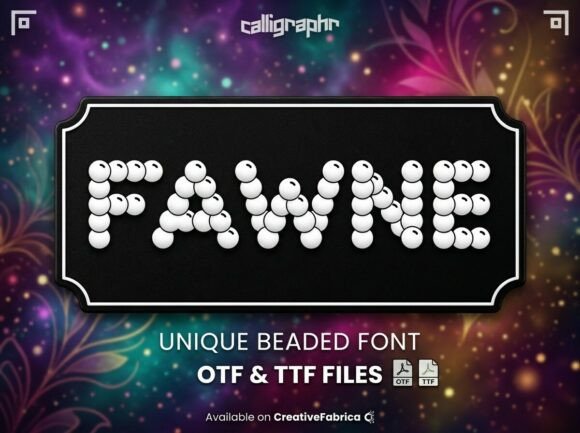
Fawne is a unique beaded display typeface that celebrates the intricate beauty of handcrafted jewelry and pearl work. Unlike traditional fonts that rely on ink traps or stroke contrast, Fawne features massive letterforms meticulously constructed from a rhythmic pattern of 3D-shaded spheres. This creates a captivating pearl string aesthetic that feels less like typography and more like an illustration. For creative professionals seeking to infuse their projects with polished artisanal prestige and lighthearted elegance, understanding how to implement Fawne effectively is key to achieving a signature, handcrafted personality.
Solving the Texture Gap in Digital Luxury Design
The primary hurdle in marketing luxury goods online is the loss of sensory information. A customer cannot feel the coolness of a pearl or the weight of a gold chain through a screen. Standard minimalist typography, while clean, can sometimes feel sterile or mass-produced, inadvertently lowering the perceived value of bespoke items. Designers need a solution that adds immediate visual weight and tactile implication without resorting to cluttered graphics or excessive ornamentation.
Fawne addresses this specific need by turning the headline itself into a textural element. The heavy visual weight of the beaded construction mimics the density of real jewelry. When a potential client views a website or packaging featuring Fawne, the typeface triggers a psychological association with craft and material quality. It solves the problem of "flat" luxury branding by introducing depth and shadow directly into the letterforms, ensuring the visual identity carries the same level of detail as the product being sold.
Strategic Applications for High-End Visual Identities
To maximize the impact of Fawne, it is essential to apply it in contexts where its ornate nature enhances rather than distracts. Because of its distinct 3D-shaded sphere construction, this typeface functions best as a focal point rather than a supporting element. Here are practical applications where Fawne delivers exceptional results:
- Luxury Jewelry Branding: Use Fawne for primary logotypes or seasonal campaign headlines. The pearl-string aesthetic naturally complements gemstones and metals, creating a cohesive narrative between the text and the product photography.
- Boutique Fashion Labels: For brands focusing on embroidery, beadwork, or textile arts, Fawne mirrors the manufacturing process. It signals to the consumer that the brand values intricate detail and slow fashion principles.
- High-End Wedding Stationery: Wedding invitations require a balance of formality and romance. Fawne offers a modern alternative to traditional calligraphy, providing a structured yet organic feel that suggests exclusivity and personalized attention.
- Creative Cosmetic Packaging: In the beauty sector, packaging must stand out on crowded shelves. Fawne’s tactile appearance invites touch, making it ideal for embossing or spot UV printing on boxes and labels for skincare or perfume lines.
Implementation Guidelines and Pairing Strategies
While Fawne brings undeniable character to a design, its successful implementation requires restraint and thoughtful pairing. The font’s massive letterforms and intricate shading demand significant negative space to breathe. Crowding Fawne against other graphical elements or using it in small sizes will degrade legibility and diminish its luxurious effect.
Designers should approach Fawne as a piece of art within the layout. When selecting supporting typefaces, opt for clean, understated sans-serifs or refined serifs with high x-heights. The goal is to create a hierarchy where Fawne serves as the emotive hook, while the secondary typeface handles functional communication such as pricing, ingredients, or event details. Avoid pairing Fawne with other decorative or script fonts, as this creates visual competition that dilutes the artisanal message.
Color selection also plays a pivotal role in how Fawne is perceived. While the font includes built-in 3D shading, the base color influences the mood. Deep navy, emerald green, or charcoal backgrounds allow the spherical highlights to pop, enhancing the three-dimensional illusion. Conversely, using Fawne in metallic tones like rose gold or champagne on a cream background evokes a softer, more vintage pearl aesthetic. Testing colorways in both digital and print formats is crucial, as the shading may render differently across mediums.
Tailoring the Approach for Different User Needs
Different stakeholders interact with Fawne based on distinct objectives, and recognizing these nuances ensures better design outcomes.
For Brand Strategists
Your focus is on differentiation and market positioning. You are likely looking for ways to signal "handmade" and "premium" simultaneously. Use Fawne to anchor the brand’s visual voice in campaigns that highlight origin stories or maker profiles. The font acts as a visual shorthand for authenticity, helping to justify premium price points by visually reinforcing the labor-intensive nature of the product.
For Graphic Designers and Typographers
Your priority is legibility and composition. Treat Fawne as an image asset rather than live text when possible, especially for large-format printing. Pay close attention to kerning; because the letters are formed by beads, standard tracking may create awkward gaps or collisions. Manual adjustment is often necessary to maintain the rhythm of the pearl string aesthetic. Additionally, consider the file size implications for web use; ensure you are serving optimized web font files to maintain site performance without sacrificing visual fidelity.
For Small Business Owners and Artisans
You may be managing your own branding with limited resources. Fawne offers a shortcut to professional polish. Instead of hiring an illustrator to create custom lettering, utilizing this typeface provides a bespoke look instantly. Focus on using it sparingly—perhaps only for your business name or a single tagline. This maximizes impact while minimizing the risk of over-designing. Remember that in luxury markets, whitespace is as important as the content itself; let Fawne stand alone to communicate confidence.
Achieving Polished Prestige with Intention
Ultimately, Fawne is a tool for storytelling. It transforms standard headlines into tactile experiences that resonate with audiences seeking authenticity and beauty. By understanding its strengths and respecting its limitations, designers and brand owners can leverage this unique beaded display font to create visual identities that feel genuinely handcrafted.
Whether you are launching a new jewelry line, rebranding a bridal salon, or designing packaging for an indie beauty brand, Fawne provides the necessary texture to elevate your work above the generic. It reminds viewers that behind every pixel and printed page lies a dedication to craft. When used with intention, Fawne does not just display words; it embodies the lighthearted elegance and artisanal prestige that define true luxury.