Evaluating Vintage Distressed for Authentic Retro Design
In the crowded marketplace of display typography, finding a typeface that balances aesthetic appeal with functional reliability is a persistent challenge for designers and marketers. Vintage Distressed enters this space as a bold, rugged display font specifically engineered to evoke the tactile imperfections of mid-century industrial printing. Unlike digital fonts that simply overlay a noise filter on clean vector paths, this typeface integrates worn textures directly into the letterforms, creating a grunge effect that feels structural rather than superficial. For professionals tasked with branding, packaging, or editorial design, understanding the specific utility and limitations of this asset is essential before integrating it into a production workflow.
Defining the Aesthetic and Technical Characteristics
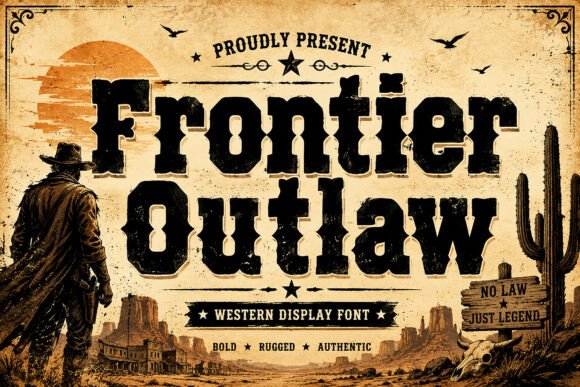
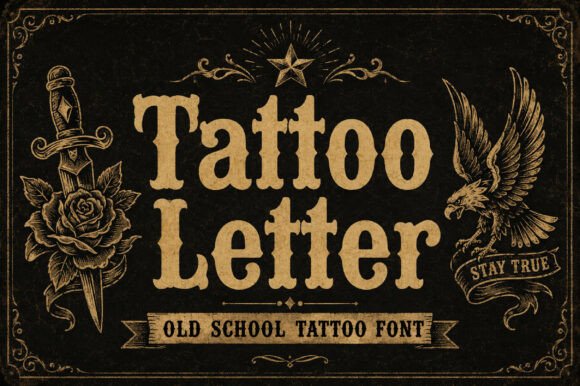
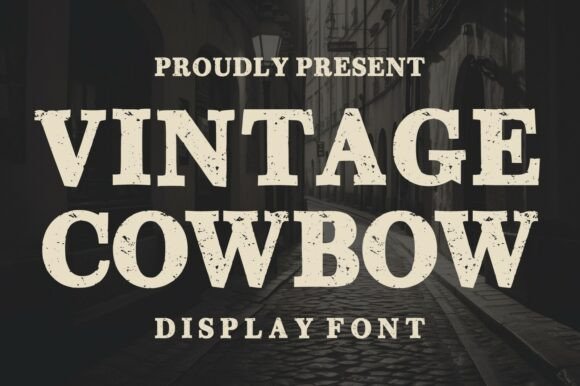
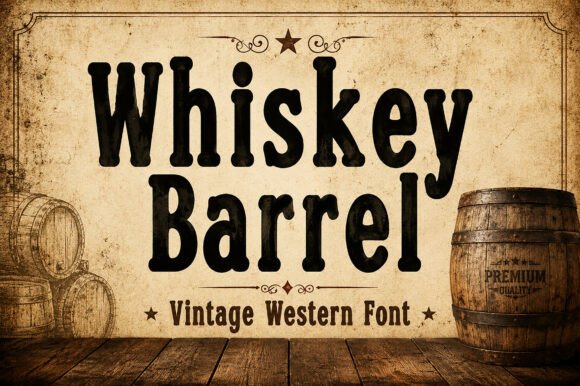
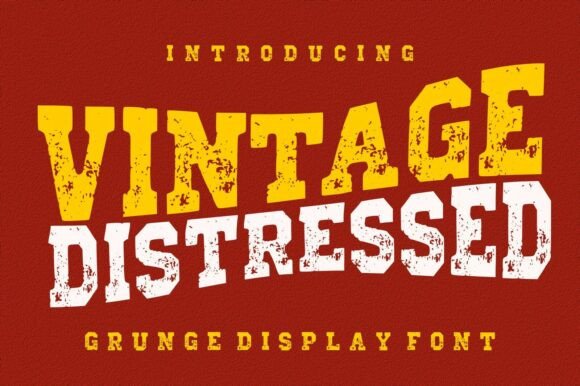
The primary value proposition of Vintage Distressed lies in its commitment to an authentic retro atmosphere without sacrificing legibility at display sizes. The typeface draws inspiration from classic vintage typography, utilizing strong, heavy-weight letterforms that command attention. However, it is the distressed texture that defines its character. The erosion patterns mimic the ink spread and paper degradation found in old signage, shipping crates, and mechanical prints. This is not a uniform distress; the variation in wear across different glyphs prevents the repetitive tiling effect that often betrays lower-quality grunge fonts.
From a technical standpoint, the font operates best as a headline or accent element. The intricate details of the grunge texture require sufficient pixel density or print resolution to render correctly. In professional evaluations, the letterforms maintain their integrity even when the texture is prominent, ensuring that the "worn" look does not compromise the fundamental readability required for effective communication. The x-height and counter spaces are generous enough to prevent the distressed elements from filling in during smaller reproduction sizes, though users should remain cautious about scaling it down too far.
Practical Applications in Branding and Merchandise
The versatility of Vintage Distressed becomes apparent when applied to specific commercial use cases. Its rugged nature makes it particularly effective for industries that rely on heritage, craftsmanship, or nostalgia as selling points. Small business owners and freelancers will find immediate value in several key areas:
- T-Shirt and Apparel Design: The textured edges blend seamlessly with fabric grain, making screen printing and direct-to-garment (DTG) outputs look naturally aged rather than digitally stamped.
- Packaging and Labels: For artisanal food products, craft beverages, or grooming brands, the font adds a layer of perceived history and authenticity that clean sans-serifs cannot achieve.
- Poster and Event Signage: Concert posters, festival announcements, and vintage market promotions benefit from the high-contrast, industrial feel that grabs attention from a distance.
- Logo and Wordmark Development: While rarely suitable for a primary corporate logotype due to its decorative nature, it serves exceptionally well for secondary logos, campaign slogans, or limited-edition product lines.
When using Vintage Distressed for merchandise, it is crucial to consider the production method. The fine details of the grunge effect may be lost in certain embroidery techniques or low-resolution heat transfers. Designers should always request physical proofs or high-fidelity mockups to ensure the distressed nuances translate effectively to the final substrate.
Workflow Integration and Pairing Strategies
A common pitfall when working with highly stylized display fonts is overuse. Vintage Distressed is a loud voice; using it for body copy, captions, or subheads will result in visual fatigue and poor user experience. Professional best practice dictates treating this typeface as a singular focal point. It performs optimally when paired with clean, neutral typefaces that provide necessary contrast and breathing room.
For web projects, pairing Vintage Distressed with a geometric sans-serif like Montserrat or a humanist sans like Open Sans creates a balanced hierarchy where the display font handles the emotional hook while the supporting text delivers information clearly. In print layouts, traditional serifs such as Garamond or Caslon complement the vintage aesthetic without competing for attention. The goal is to let the distressed texture serve as an illustrative element within the typography itself, reducing the need for additional background textures or overlays that can clutter a composition.
Assessing Quality and Long-Term Value
When evaluating whether to license or acquire Vintage Distressed, professionals must look beyond the initial visual impact. Several factors determine its long-term viability in a creative toolkit:
- Vector Integrity: Ensure the source files contain clean vector outlines. Raster-based distressed fonts are unsuitable for scalable design work and will pixelate when resized. True vector distress allows for infinite scaling without quality loss.
- Character Set Completeness: Check for comprehensive language support, including accented characters, ligatures, and alternate glyphs. A limited character set can render a font useless for international campaigns or specific naming conventions.
- Licensing Flexibility: Review the End User License Agreement (EULA) carefully. Commercial projects often require extended licenses for merchandise, web embedding, or broadcast use. Understanding these terms upfront prevents legal complications later.
- Stylistic Consistency: Evaluate whether the distress pattern feels cohesive across uppercase, lowercase, numerals, and punctuation. Inconsistent weathering breaks immersion and suggests a hastily assembled product.
Fonts that meet these criteria offer sustained value because they reduce the time spent manually adding texture effects in post-production. Instead of spending hours masking and eroding a clean font to achieve a vintage look, designers can set type in Vintage Distressed and move immediately to layout refinement. This efficiency translates directly to billable hours saved or faster turnaround times for internal teams.
Limitations and Considerations for Professional Use
Despite its strengths, Vintage Distressed is not a universal solution. There are specific contexts where its application would be inappropriate or ineffective. Corporate identities requiring a modern, tech-forward, or luxury aesthetic will clash with the font’s inherent roughness. Financial institutions, healthcare providers, and legal firms typically require typography that communicates stability, precision, and clarity—attributes that a distressed grunge font actively undermines.
Accessibility is another critical consideration. The textured nature of the letterforms reduces contrast and definition, which can pose challenges for readers with visual impairments or dyslexia. When used in digital environments, designers must ensure that color contrast ratios still meet WCAG guidelines despite the internal texture of the glyphs. If accessibility compliance is paramount, reserve Vintage Distressed for purely decorative headings that are supplemented by accessible alt text or hidden semantic HTML, while keeping functional navigation and content in more legible typefaces.
Additionally, the trend cycle for grunge and distressed typography moves in waves. While currently relevant for retro-revival aesthetics, there is a risk of the style feeling dated if overused in a saturated market. Professionals should assess whether the vintage look aligns with the brand’s long-term identity or if it is merely a temporary stylistic choice. For evergreen branding, a cleaner base font with occasional distressed treatments may offer more longevity than committing entirely to a textured display face.
Making the Final Decision
Vintage Distressed represents a specialized tool rather than a foundational typographic system. Its worth is determined entirely by the project’s objectives and the audience’s expectations. For creators targeting demographics that respond positively to nostalgia, authenticity, and handcrafted aesthetics, this font delivers immediate visual shorthand for those values. The integrated grunge effect saves production time and provides a level of textural consistency that manual methods struggle to replicate.
However, successful implementation requires restraint and contextual awareness. It demands proper pairing, appropriate sizing, and respect for accessibility standards. Before incorporating Vintage Distressed into a project, test it in the actual medium of delivery—whether that is a mobile screen, a corrugated cardboard box, or a cotton garment. Real-world testing reveals how the distressed details interact with environmental factors, ensuring that the nostalgic character enhances rather than hinders the communication goal. When applied with professional judgment, Vintage Distressed transforms from a mere novelty into a powerful asset for storytelling and brand differentiation.