Evaluating Pink Clover: A Practical Guide to Bold, Playful Display Typography
Selecting the right display font requires balancing aesthetic appeal with functional legibility, particularly when targeting audiences that respond to warmth and approachability. Pink Clover occupies a specific niche within the display typography landscape, offering a distinct combination of heavy weight and soft geometry. For designers and brand managers evaluating typeface options for projects requiring high visibility and emotional resonance, understanding the technical and stylistic nuances of this font is essential. It serves as a specialized tool rather than a universal solution, excelling in contexts where traditional serif or sans-serif families might feel too sterile or corporate.
Defining the Visual Characteristics of Pink Clover
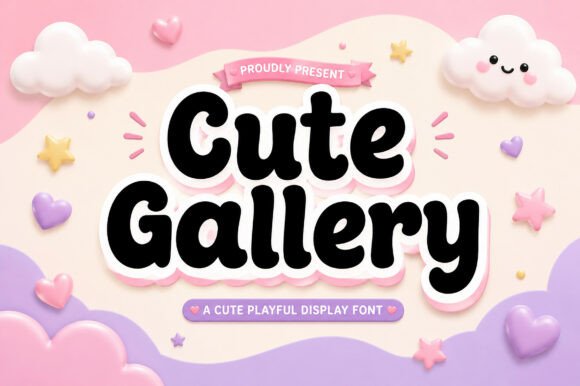
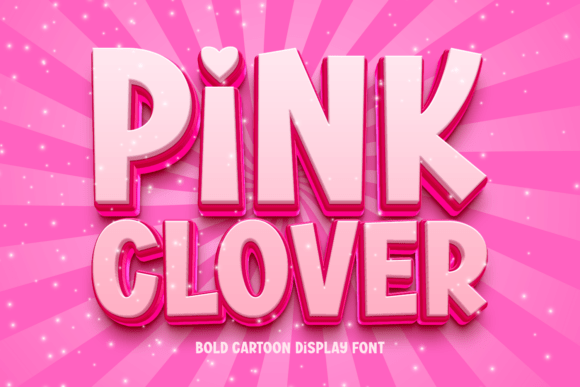
Pink Clover is categorized as a chunky display font, but its distinction lies in the specific treatment of its contours. Unlike geometric sans-serifs that rely on mathematical precision, or hand-lettered scripts that prioritize organic flow, this typeface merges the two approaches. The letterforms possess a strong, powerful silhouette necessary for large-scale reproduction, yet the terminals and curves are softened to evoke a classic cartoon or comic book aesthetic. This duality allows it to command attention without appearing aggressive.
The "bubbly" personality often associated with Pink Clover is achieved through consistent stroke width and generous counter space. In typographic terms, the open counters (the enclosed spaces within letters like 'o', 'a', and 'e') prevent the heavy weight from causing visual muddiness at smaller display sizes. This structural integrity makes it viable for digital applications where screen resolution can sometimes compromise thicker fonts. When comparing it to standard bold sans-serifs, the primary differentiator is this deliberate injection of nostalgia and softness, which signals playfulness before the viewer even processes the semantic meaning of the text.
Comparative Analysis: Pink Clover Versus Standard Display Options
When researching typography for branding or editorial use, it is helpful to weigh Pink Clover against other common categories to determine fit. The decision often comes down to the desired emotional temperature of the project.
- Versus Geometric Sans-Serifs: Fonts like Futura or Century Gothic offer modernity and cleanliness but can lack personality. Pink Clover provides similar readability in headlines but adds a layer of tactile warmth. If the goal is institutional trust or luxury, geometric sans-serifs remain superior. If the goal is engagement, joy, or youth-oriented branding, Pink Clover offers higher efficacy.
- Versus Handwritten Scripts: Script fonts convey personalization but often suffer from legibility issues at distance or in motion. Pink Clover retains the friendly, human-centric vibe of handwriting while maintaining the vertical metrics and spacing consistency of a manufactured typeface. This makes it a safer choice for packaging or signage where instant recognition is mandatory.
- Versus Vintage/Retro Revivals: While Pink Clover draws inspiration from mid-century cartoon aesthetics, it avoids the distressed textures or irregularities of true vintage revivals. It is a modern interpretation designed for current production standards. Designers seeking authentic grit may find it too clean, whereas those wanting retro vibes with modern scalability will find it ideal.
Tradeoffs and Limitations in Professional Application
No typeface is without limitations, and an informed evaluation must acknowledge where Pink Clover falls short. Its defining strength—bold, chunky proportions—is also its primary constraint. This font is strictly a display face. It lacks the optical sizing and refined spacing required for body copy, captions, or extensive interface text. Attempting to use it for paragraphs will result in poor readability and visual fatigue.
Furthermore, the distinct personality of Pink Clover can dominate a layout. In design hierarchy, it demands to be the focal point. Pairing it with other highly stylized fonts often leads to visual conflict. It performs best when anchored by neutral, invisible typefaces such as Grotesque sans-serifs or simple humanist serifs. Designers accustomed to expressive pairings may need to adjust their workflow to let this font carry the decorative weight while supporting elements recede.
Another consideration is tone alignment. While versatile within the realm of playfulness, it carries inherent connotations of informality. It may be unsuitable for sectors requiring gravitas, such as financial services, legal communications, or high-end medical facilities, unless used with extreme irony or subversion. Evaluating the brand's long-term positioning is crucial; a font with such a specific character can pigeonhole a brand if not deployed strategically.
Ideal Use Cases and Implementation Strategies
Based on its structural attributes and emotional signaling, Pink Clover demonstrates peak performance in specific commercial and creative scenarios. Understanding these applications helps justify the selection process.
Digital Content and Social Media Graphics
In the context of social media, where scroll-stopping power is the primary metric, Pink Clover’s thick strokes perform exceptionally well against busy photographic backgrounds or solid color blocks. Its high x-height ensures legibility on mobile screens even when scaled down for thumbnail views. For content creators producing quote cards, announcement overlays, or short-form video titles, this typeface reduces the need for excessive drop shadows or outlines to maintain contrast. The built-in weight provides sufficient separation from background elements, streamlining the production workflow for high-volume content.
Product Packaging and Retail Signage
Retail environments require typography that communicates value propositions instantly. Pink Clover acts as an effective "sticker font," mimicking the visual language of sale tags, promotional badges, and limited-edition labels. The soft edges suggest safety and quality, making it particularly relevant for children’s products, artisanal foods, pet supplies, and lifestyle accessories. On packaging, it bridges the gap between shelf impact and brand friendliness. When evaluating packaging options, consider how the font reproduces across different substrates; its solid fills generally print well on textured papers and corrugated materials where fine details might be lost.
Apparel and Merchandise Design
Custom apparel relies heavily on typography that feels good to wear. Overly rigid fonts can appear stiff on fabric, while overly loose scripts can look messy. Pink Clover’s balanced proportions translate effectively to screen printing, embroidery, and heat transfer vinyl. The chunky nature of the letterforms ensures durability in wash cycles for printed garments, as there are no thin hairlines to crack or fade prematurely. For designers creating merchandise lines, this font offers a "vintage-modern" sweet spot that appeals to adult consumers seeking nostalgia without dated execution.
Decision Factors: When to Choose Alternatives
While Pink Clover is a robust option for playful display work, professional due diligence involves recognizing when to look elsewhere. Consider the following decision matrix during your evaluation phase:
- Legibility Requirements: If the text needs to be read quickly at small sizes (below 24pt equivalent), bypass this font in favor of a condensed sans-serif or a sturdy slab serif.
- Brand Maturity: If the brand is pivoting toward premium luxury or serious corporate identity, the bubbly aesthetics may undermine the new strategic direction. Opt for high-contrast serifs or minimalist grotesques instead.
- Linguistic Support: Verify language support requirements early. Highly stylized display fonts sometimes have limited glyph sets compared to comprehensive super-families. If multilingual typesetting is required, ensure Pink Clover covers the necessary diacritics or pairs seamlessly with a compatible alternative for secondary languages.
- Layout Density: For information-dense posters or event schedules, the horizontal footprint of chunky display fonts consumes valuable real estate. Narrower alternatives may allow for more content without sacrificing headline impact.
Technical Considerations for Licensing and Usage
Beyond aesthetics, practical implementation requires attention to licensing and file formats. When acquiring Pink Clover or similar display fonts, verify the license tier matches the intended usage. Desktop licenses typically cover static images and print, while webfont licenses are calculated by pageviews or domains. For merchandise, confirm whether the license permits commercial reproduction on goods for resale, as this often requires an extended or specific product license.
From a technical standpoint, utilizing OpenType features can enhance the utility of this typeface. Check for alternate characters, ligatures, or contextual alternates that can prevent repetitive shapes in all-caps settings. Since chunky fonts can create awkward negative space between certain letter combinations, manual kerning adjustments are often necessary for logo lockups or hero headlines. Investing time in refining the spacing ensures the final output looks bespoke rather than default.
Ultimately, Pink Clover represents a specific solution to a common design challenge: how to be loud without being abrasive. By weighing its soft, cartoon-inspired geometry against project requirements for legibility, tone, and versatility, designers can make an evidence-based decision. It stands as a compelling option for brands prioritizing joy and accessibility, provided its limitations regarding body text and formal contexts are respected. Successful integration depends not just on the font itself, but on the restraint and intentionality of the designer wielding it.