Distressed Creative: Mastering Rugged Typography in Modern Design
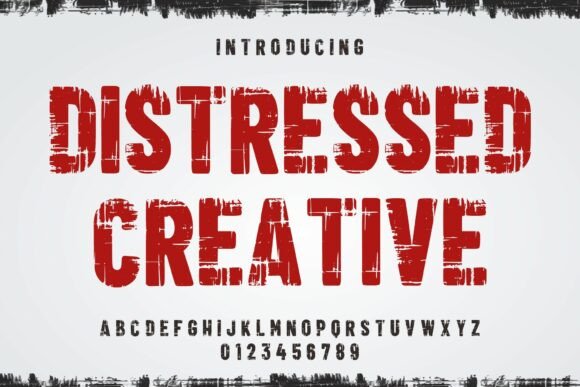
In the vast landscape of digital typography, there is a persistent tension between polished perfection and authentic character. While clean sans-serifs and elegant serifs dominate corporate branding and user interfaces, there remains a vital space for typefaces that tell a story of wear, history, and resilience. Distressed Creative occupies this niche precisely. It is a bold and rugged stencil-style display font featuring a heavily textured, grunge effect that serves as the ultimate expression of grit and urban texture. For designers and business owners seeking to break away from the sterile "perfect" digital look, understanding how to leverage this typeface is essential for creating work that feels tangible and alive.
The Anatomy of Authentic Grit
To use Distressed Creative effectively, one must first understand what distinguishes it from standard distressed fonts. Many typefaces attempt to simulate age through simple noise overlays or randomized opacity masks. However, Distressed Creative features a heavily weathered, “stamped-on” aesthetic that screams personality through structural design choices rather than mere surface effects. The stencil construction implies utility and industrial function, while the erosion patterns suggest physical interaction with the elements.
This rugged Distressed Creative typeface is not merely a stylistic choice; it is a communicative tool. When a viewer encounters these letterforms, they subconsciously associate them with durability, heritage, and raw energy. The texture is baked into the vector paths, meaning the degradation scales perfectly whether applied to a massive billboard or a small merchandise tag. This intrinsic quality adds a layer of history and toughness to your headlines that clean fonts simply cannot replicate without extensive post-processing.
Strategic Applications Across Industries
The versatility of a display font is often measured by its ability to adapt to different cultural contexts while maintaining its core identity. Distressed Creative excels in environments where authenticity is the primary currency. Below are key sectors where this typeface provides immediate value.
Vintage Apparel and Streetwear
Fashion brands, particularly those focused on vintage reproduction or urban streetwear, rely heavily on typography to establish brand ethos. Using Distressed Creative for garment graphics creates an instant sense of longevity. It transforms a new t-shirt into something that feels like a thrift store find or a band tee from decades past. The font pairs masterfully with bold photography and distressed textures on fabric, creating a cohesive, “street-style” look that resonates with consumers tired of fast-fashion aesthetics.
Music Promotion and Event Marketing
Rock music flyers, punk zines, and alternative concert posters demand typography that matches the sonic intensity of the event. The aggressive, eroded edges of Distressed Creative mirror the raw energy of live performance. Unlike smooth digital type which can feel disconnected from analog music genres, this font bridges the gap between digital design tools and analog culture. It signals to the audience that the event will be loud, unpolished, and genuine.
Industrial and Artisanal Branding
Businesses ranging from craft breweries to custom motorcycle shops benefit from the industrial feel of this typeface. In these contexts, cleanliness can sometimes be misinterpreted as sterility or lack of craftsmanship. By choosing the Distressed Creative font, these brands visually communicate hands-on labor and mechanical expertise. It works exceptionally well for packaging labels, signage, and limited-edition merchandise where a rebellious, time-worn edge enhances perceived value.
Design Integration: Pairing and Hierarchy
A common mistake when working with highly textured display fonts is overuse. Distressed Creative is a high-impact tool designed for specific moments in a layout, not for sustained reading. To maximize its effectiveness, designers must adhere to principles of contrast and hierarchy.
- Contrast with Clean Sans-Serifs: Because Distressed Creative carries so much visual weight and complexity, it requires a grounding partner. Pair it with a neutral, geometric sans-serif for body copy and secondary information. The cleanliness of the supporting text makes the ruggedness of the headline pop without creating visual chaos.
- Embrace Negative Space: Do not crowd this typeface. The texture needs room to breathe. Allow ample margins and padding around headlines set in Distressed Creative to let the eye appreciate the details of the erosion and stencil cuts.
- Color Considerations: While black and white provide maximum contrast, this font also responds beautifully to muted, earthy tones or desaturated neon colors. Avoid highly saturated, glossy gradients, as they can clash with the matte, weathered nature of the letterforms.
- Texture Layering: When placing this font over photographic backgrounds, ensure the background does not compete with the internal texture of the letters. Use solid color blocks or blurred imagery behind the text to maintain legibility.
Evaluating Suitability for Your Project
Before downloading or purchasing, it is crucial to assess whether Distressed Creative aligns with your project’s functional requirements. Not every design brief calls for grunge, and misapplying this style can undermine professionalism in the wrong context.
When to Use It
- Headlines and Titles Only: Use it for high-impact titles, logos, or short phrases (3-5 words maximum). It is perfect for grabbing attention in social media graphics or poster headers.
- Emotional Resonance is Key: If the goal is to evoke nostalgia, rebellion, toughness, or artisanal quality, this font is a strong candidate.
- Print and Large Format: The intricate details of the distress effect shine best in print or large digital displays where the resolution can capture the subtle variations in the texture.
When to Avoid It
- Body Text and Long Form: Never use Distressed Creative for paragraphs, captions, or legal disclaimers. The broken letterforms reduce readability significantly at small sizes and cause eye fatigue over long passages.
- Luxury and High-Tech: Brands positioning themselves as futuristic, pristine, or ultra-luxurious should generally avoid heavy grunge textures, as they may signal decay rather than intentional aesthetic aging.
- Accessibility-Critical Interfaces: For UI elements requiring WCAG compliance, the inherent low-contrast areas within the distressed texture may fail accessibility standards. Reserve it for decorative purposes only.
Technical Considerations and Best Practices
Working with textured stencil fonts introduces unique technical challenges that differ from standard typography. Understanding these nuances ensures professional results across various media.
Resolution Matters: Because Distressed Creative relies on fine detail to sell the illusion of wear, low-resolution outputs will make the font look pixelated or muddy rather than authentically distressed. Always design at 300 DPI for print and use high-quality SVG or EPS formats for web and scalable applications.
Kerning and Spacing: Stencil fonts often have built-in gaps that can create awkward spacing issues depending on the letter combination. Manual kerning is frequently necessary to ensure the visual rhythm remains consistent. Pay special attention to adjacent characters where the stencil breaks might align unintentionally, creating distracting vertical channels of white space.
File Format Selection: For merchandise production like screen printing or embroidery, consult with your vendor regarding file requirements. The complex texture of Distressed Creative may need to be simplified or halftoned for certain printing processes. Vector formats are ideal for maintaining crisp edges on the non-distressed portions of the glyphs.
The Value of Imperfection in Digital Design
In an era dominated by AI-generated imagery and algorithmic perfection, human audiences increasingly crave signs of tangible reality. Distressed Creative offers more than just a stylistic overlay; it provides a connection to the physical world. It reminds viewers of stamped metal, worn wood, and faded ink. For creators, it is the perfect tool for any designer looking to break away from the “perfect” digital look and embrace the beauty of raw, weathered typography.
Ultimately, the decision to use this typeface should be driven by narrative intent. Ask yourself what story the texture tells. Does the erosion imply years of faithful service? Does the stencil cut suggest military surplus or warehouse logistics? When the form matches the function, Distressed Creative ceases to be just a font and becomes an integral part of your brand's voice. By treating it with respect and applying it strategically, you can create designs that possess a soulfulness and endurance that pristine typography rarely achieves.