Broken Rudder: Navigating Vintage Typography Without Running Aground
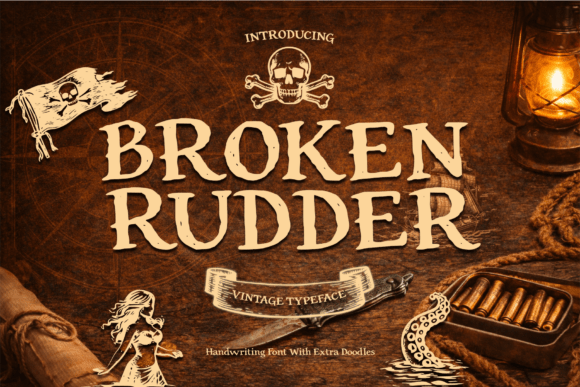
There is an immediate, visceral reaction when you first encounter Broken Rudder. This hand-sculpted vintage display font captures the essence of salt-worn timber and forgotten maritime logs with remarkable authenticity. Influenced heavily by seafaring adventures and historic expeditions, its letterforms are bold, unstructured, and organically inspired. For designers, marketers, and creators looking to evoke the intrigue of archaic printed works, this typeface offers a robust retro vibe that feels genuinely earned rather than artificially applied. However, the very characteristics that make Broken Rudder so appealing—its rugged charm and expressive imperfections—are also what can lead to significant design missteps if not handled with care.
Choosing a typeface with such distinct nautical charisma requires more than just installing the file and setting text. It demands an understanding of historical context, typographical hierarchy, and practical usability. Many enthusiasts dive in expecting instant pirate charm, only to find their projects looking cluttered or illegible. To truly leverage the enduring appeal of Broken Rudder, we must address common pitfalls and establish better workflows for integrating this distinctive asset into modern creative projects.
The Trap of Over-Application in Display Typography
The most frequent error observed when working with highly textured fonts like Broken Rudder is the temptation to use it for everything. Because the font is teeming with character, there is a natural inclination to apply it to headlines, subheads, captions, and even body copy. This approach almost always diminishes the impact of the design. Broken Rudder is, by definition, a display font. Its bold, wood-carved aesthetic is designed to command attention at large sizes, not to facilitate reading at small scales.
When used below 24 points, the intricate details that mimic vintage signage begin to collapse. The organic irregularities that provide its signature appeal turn into visual noise, reducing legibility and frustrating the viewer. A more effective strategy is to treat Broken Rudder as the anchor of your composition. Use it exclusively for primary titles, logos, or short, punchy callouts. Pair it with a clean, neutral sans-serif or a legible serif for supporting text. This contrast not only preserves readability but actually amplifies the vintage aesthetic of Broken Rudder by giving it space to breathe. Think of it as the captain’s wheel; it steers the ship, but it doesn't replace the rigging, the hull, or the sails.
Misunderstanding the Decorative Doodles
One of the unique selling points of this typeface is the inclusion of additional decorative doodles that emphasize its classic seaborne style. These elements are fantastic for adding depth to a poster or label, but they are often misused as mere filler. Scattering these nautical ornaments randomly across a layout creates visual chaos and distracts from the core message. These doodles should be treated as intentional design elements, not clip art.
Before placing a compass rose, anchor, or rope knot, ask yourself what function it serves. Is it framing content? Is it balancing negative space? Is it reinforcing a specific part of the narrative? If the answer is "it just looks cool," reconsider. Effective use of these assets involves integration, not decoration. Try using the doodles to create custom dividers between sections or to build a cohesive border system that frames your Broken Rudder typography. When these elements support the hierarchy rather than competing with it, the overall presentation shifts from amateurish collage to professional vintage design.
Evaluating Technical Quality Before Purchase
For entrepreneurs and small business owners, budget is always a consideration, but opting for the cheapest version of a vintage font can be a costly mistake. Not all versions of hand-sculpted fonts are created equal. Some marketplaces offer stripped-down versions that lack essential OpenType features, alternate characters, or proper kerning pairs. Using a poorly encoded version of Broken Rudder can result in awkward spacing, missing glyphs, or compatibility issues with modern design software.
Always verify the technical specifications before downloading or buying. Check for the following:
- Language Support: Ensure the font includes the character sets necessary for your target audience. A font limited to basic Latin may fail for multilingual campaigns.
- OpenType Features: Look for contextual alternates and ligatures. These automated substitutions prevent repetitive letterforms and enhance the organic, hand-carved feel that defines the typeface.
- Web Font Availability: If you plan to use Broken Rudder on a website, confirm that a WOFF2 version is included. Rasterizing vintage textures for screens requires specific optimization to avoid blurriness or excessive load times.
- Licensing Terms: Commercial licensing for display fonts can be restrictive. Verify whether the license covers merchandise, packaging, or digital advertising to avoid legal complications later.
Skipping this due diligence phase often leads to mid-project failures where a designer realizes the font cannot handle the required text or platform. Investing in a complete, professionally mastered version upfront saves time, money, and reputation.
Contextual Authenticity vs. Caricature
While Broken Rudder possesses unmistakable pirate charm, relying solely on stereotypes can undermine the sophistication of your project. There is a fine line between evoking historic maritime expeditions and creating a costume party invitation. Many creators make the mistake of pairing this font with other overly thematic elements—skulls, crossbones, and tattered parchment backgrounds—resulting in a design that feels dated or juvenile.
To maintain a professional and timeless aesthetic, focus on the structural qualities of the font rather than the cliché associations. Broken Rudder reflects the intrigue of archaic printed works and time-honored typographical techniques. Lean into that history. Consider pairing it with muted, desaturated color palettes inspired by oxidized copper, faded indigo, or weathered linen rather than bright golds and blood reds. Use texture overlays subtly to complement the font's inherent grain rather than overwhelming it. By respecting the typographic heritage behind the design, you elevate the work from novelty to genuine vintage revival.
Practical Workflow Adjustments for Better Results
Integrating a hand-sculpted font into a digital workflow requires adjustments that standard typefaces do not. Because Broken Rudder mimics physical wood carving, its baseline and cap height may differ from modern digital standards. Do not assume default leading (line spacing) will suffice. You will likely need to manually adjust tracking and leading to accommodate the irregular shapes of the letters. Tight tracking can cause the textured edges to collide, creating dark spots, while loose tracking can break the word shape apart.
Furthermore, consider the output medium. If printing on textured paper, the ink spread may fill in the delicate distressed details of Broken Rudder, making it look muddy. Conversely, printing on glossy stock might make the rough edges look too sharp and artificial. Always request a physical proof or test print at actual size before finalizing production files. For digital applications, ensure sufficient contrast against the background. The internal texture of the letters reduces the overall perceived weight, so white text on a light background may disappear entirely. Testing across different devices and substrates is not optional; it is essential for preserving the rugged charm that drew you to the font in the first place.
Ultimately, Broken Rudder is a powerful tool for storytelling. It carries the weight of seafaring adventures and the tactile memory of handcrafted signage. By avoiding the urge to overuse it, respecting its technical requirements, and approaching its thematic elements with nuance, you can harness its full potential. The goal is not just to use a pirate font, but to communicate with the same enduring strength and authentic character that the typeface itself embodies. When applied with intention and discipline, Broken Rudder transforms ordinary layouts into compelling visual narratives that resonate with audiences seeking something tangible in an increasingly digital world.