Military Font: Ornate Stencil Authority for Design
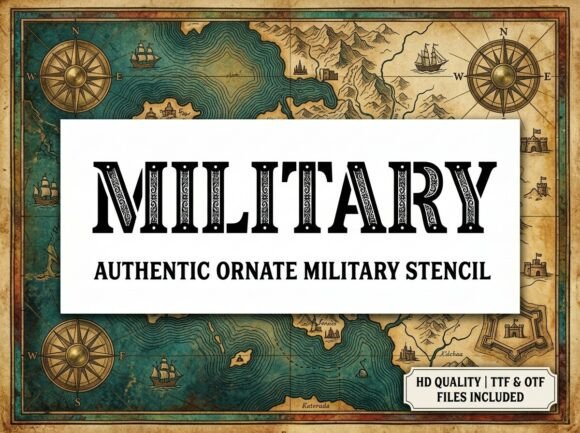
There is a distinct visual weight to typography that commands attention before a single word is read. Military captures this instant authority by reinterpreting the classic industrial spray-shield alphabet through an extraordinarily decorative lens. Unlike standard utilitarian stencils that prioritize function over form, this heavy-weight display typeface introduces a layer of historical prestige and ornate detailing. It bridges the gap between rugged tactical aesthetics and refined vintage craftsmanship, offering designers a tool that feels both authentic and intentionally stylized.
For creative professionals working on projects that require a sense of heritage or command, finding a font that balances legibility with character is often a challenge. Standard military fonts can feel too sterile or generic, while antique scripts often lack the necessary structural strength. Military solves this friction point. It retains the flawless legibility required for complex layout textures while providing the decorative flair needed for high-impact branding. Whether you are designing a strategy game interface or a premium rum label, this typeface delivers a specific emotional resonance that modern sans serif fonts simply cannot replicate.
Defining the Visual Personality of Ornate Stencil Typography
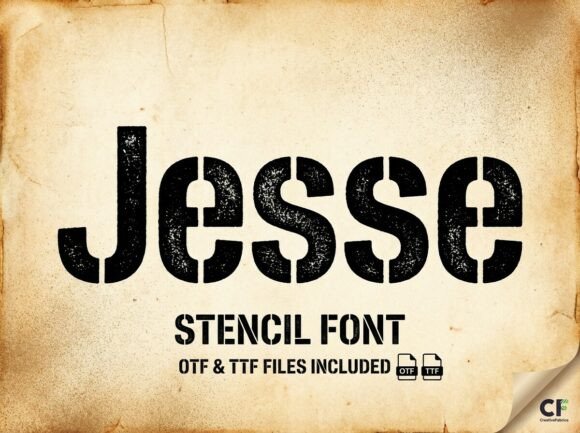
The appeal of Military lies in its duality. At its core, it is a stencil font, evoking images of cargo crates, field equipment, and official documentation. However, the execution elevates it beyond mere reproduction. The letterforms possess a heavy-weight presence that anchors any composition, yet the ornate details soften the industrial edges. This makes it an exceptional choice for brand identity work where you need to convey strength without sacrificing sophistication.
When evaluating this typeface for your next project, consider how it interacts with background elements. It was designed to perform exceptionally well against vintage nautical maps, weathered parchment, or deep solid backdrops. The intricate cuts within the letters allow textured backgrounds to breathe through the typography, creating a cohesive integration between text and image. This is particularly valuable in packaging design and editorial design, where the substrate itself plays a role in the storytelling. The font does not just sit on top of the design; it feels embedded within the historical context of the visual environment.
Strategic Applications Across Creative Industries
Versatility is a key metric for any premium font investment. While the name suggests a narrow niche, the stylistic execution of Military opens doors across multiple sectors. Understanding where this typeface thrives helps prevent misuse and maximizes its impact.
- Strategy Game Branding: The font’s heavy weight and decorative nature make it ideal for titles, faction logos, and UI headers in historical or tactical games. It conveys the gravity of warfare and the elegance of historical periods simultaneously.
- Vintage Liquor and Rum Labels: Spirits marketing relies heavily on perceived age and authenticity. Military provides the masculine, aged aesthetic associated with naval history and prohibition-era packaging, distinguishing bottles on crowded shelves.
- Historical Book Covers: For publishers focusing on war memoirs, historical fiction, or academic texts, this typeface signals genre immediately. It promises the reader an immersive experience rooted in a specific era.
- Alternative Tactical Clothing: Streetwear and outdoor brands often seek typography that feels functional yet fashionable. Military works beautifully on garment tags, chest prints, and campaign graphics, bridging utility wear and high fashion.
- Adventure Movie Posters: In film marketing, title treatment is everything. This display font offers the cinematic scale needed for posters while maintaining enough unique character to avoid looking like a stock asset.
Enhancing Readability and Brand Perception
A common concern with decorative stencil fonts is legibility. If the audience cannot read the message quickly, the design fails regardless of its aesthetic merit. Military addresses this by maintaining robust stroke widths and clear counter spaces. Even at smaller display sizes, the letterforms remain distinct. This reliability allows you to use the font confidently in social media graphics and web headers where screen resolution and viewing distance vary.
Beyond mechanics, typography shapes perception. Using a font with such specific historical coding signals to the audience that the brand values tradition, durability, and attention to detail. In logo design, these associations transfer directly to the product or service. A tactical gear company using this font appears more established than one using a generic bold sans serif. A craft distillery using it on their bottle implies a recipe with lineage. The font acts as a non-verbal shorthand for quality and authenticity, reducing the cognitive load required for consumers to understand your brand's positioning.
Practical Guidance for Implementation and Pairing
To get the most out of Military, treat it strictly as a display typeface. Its ornate nature means it competes for attention, so it should never be used for body copy. Instead, pair it with a clean, neutral companion. A geometric sans serif font or a traditional serif font works best to balance the visual intensity. For example, if Military is used for a headline on a poster, use a simple grotesque for the date, venue, and fine print. This contrast establishes a clear visual hierarchy and ensures the ornate elements remain the focal point rather than becoming visual noise.
When testing the font in your layout, pay close attention to spacing. Heavy-weight display fonts often require tighter tracking in headlines to create a solid block of color, but looser tracking in subheads to improve readability. Because Military has such distinct internal detailing, overly tight kerning can cause the ornate elements to collide or create unintended negative space patterns. Always review your settings at actual print size or final digital resolution. What looks acceptable zoomed in on a 27-inch monitor may become muddy when printed on a textured label or viewed on a mobile device.
Licensing and Commercial Considerations
Before integrating any creative font into a commercial project, verify the licensing terms. Military is a specialized asset, and understanding its usage rights protects your business and clients. Check whether the license covers the specific medium you are working in, such as app embedding, merchandise for sale, or broadcast advertising. Some licenses differentiate between desktop use for creating static images and webfont use for live sites.
Additionally, consider the longevity of the project. Trends in tactical and vintage design cycle regularly. While Military is currently highly effective for adventure and heritage themes, ensure it aligns with the long-term vision of the brand. For short-term campaigns, event posters, or limited-edition product runs, it is an unbeatable choice for generating immediate impact. For evergreen corporate identities, test it extensively across all touchpoints to ensure the ornate style will not feel dated in three to five years. When used with intention and respect for its historical roots, Military remains a powerful asset in the modern designer’s toolkit, capable of turning standard layouts into compelling visual narratives.