Foodie Story: Bringing Hand-Drawn Warmth to Culinary Branding
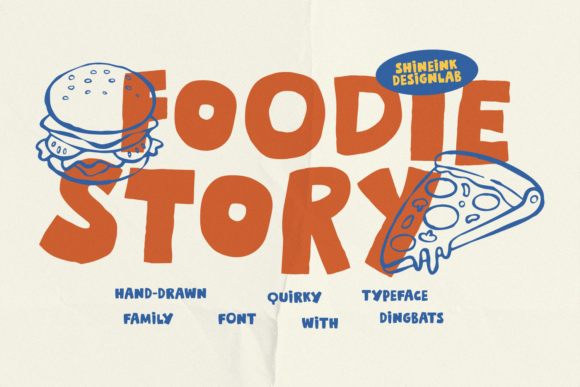
In the saturated world of food marketing and culinary design, standing out often means stepping away from polished perfection. Consumers are increasingly drawn to authenticity, seeking brands that feel human, approachable, and genuinely crafted. This is where Foodie Story enters the creative toolkit. More than just a novelty display font, it serves as a comprehensive visual system designed specifically for the food and beverage industry. Its chunky, organic letterforms and imperfect hand-crafted aesthetic provide an immediate sense of warmth and personality that standard sans-serif typefaces simply cannot replicate.
For designers, restaurateurs, and content creators aged 20 to 50 who are tasked with building memorable brand identities, understanding the practical application of this typeface is essential. It bridges the gap between professional typography and the raw charm of a hand-drawn menu, offering a versatile solution for projects that demand bold storytelling vibes without sacrificing legibility or cohesion.
Elevating Restaurant Menus and Signage
The most immediate application for Foodie Story lies within physical dining spaces. When designing a menu for a burger joint, taco truck, or artisanal bakery, the typography sets the appetite before the customer even reads the dish descriptions. Standard fonts can sometimes feel sterile or overly corporate in these environments. Foodie Story introduces a tactile quality that mimics the experience of eating comfort food.
Consider a chalkboard specials sign at a neighborhood café. Using this typeface allows the digital design to retain the nostalgic feel of actual chalk writing while maintaining the crispness required for print production. The included dingbats collection becomes invaluable here. Instead of searching for separate icon packs that might clash stylistically with your header font, you have access to food illustrations that share the exact same stroke weight and hand-drawn DNA. A designer can pair a "Special Burger" headline with a matching burger illustration in seconds, creating a unified visual language that guides the customer’s eye naturally down the page.
Packaging Design for Snack Brands
Shelf appeal is everything in the snack aisle. For emerging brands competing against established giants, packaging must communicate flavor and fun instantly. Foodie Story excels in this high-impact environment because its bold, expressive letterforms remain readable even at smaller sizes on chip bags, candy wrappers, or beverage cans. The font’s inherent playfulness suggests taste and enjoyment, which is crucial for products targeting younger demographics or adults seeking nostalgic treats.
Practically speaking, the organic nature of the letterforms helps soften the rigid geometry of packaging layouts. If you are designing a label for a hot sauce or a craft soda, the slight imperfections in the type add a layer of "small-batch" credibility. It signals to the consumer that the product inside was made with care rather than mass-produced in a faceless factory. When combined with the font’s built-in icons—like chili peppers, soda bottles, or pizza slices—the packaging design process becomes significantly faster, allowing for rapid prototyping and iteration.
Digital Content and Social Media Graphics
Beyond print and physical products, Foodie Story has found a strong niche in digital content creation. Food bloggers, recipe developers, and social media managers constantly need fresh visuals to stop the scroll. In an era of AI-generated imagery and stock photography fatigue, custom typography offers a unique brand anchor.
- Recipe Cards: Creating downloadable PDF recipe cards requires a balance of instructional clarity and decorative flair. Using Foodie Story for titles and ingredient highlights adds character without compromising the readability of the method steps.
- Instagram Stories and Reels Covers: Bold, hand-drawn text overlays perform exceptionally well on mobile screens. The font’s thickness ensures visibility against busy food photography backgrounds.
- Email Newsletters: Breaking up dense text with playful headers keeps subscribers engaged. The friendly tone of the typeface makes promotional emails feel less like sales pitches and more like recommendations from a friend.
For content creators, the efficiency of having matching icons cannot be overstated. When creating a carousel post about "Top 5 Summer Snacks," being able to drop in consistent, style-matched graphics directly from the font file streamlines the workflow and maintains brand consistency across multiple posts.
Kids’ Products and Educational Materials
The versatility of Foodie Story extends beyond commercial food branding into children’s media and education. Its rounded, non-threatening shapes make it ideal for projects aimed at younger audiences. Whether designing a birthday party invitation, a children’s cookbook, or educational flashcards about nutrition, the typeface communicates safety and fun.
Educators and parents creating DIY learning materials will find the dingbats particularly useful for visual association exercises. Matching words to pictures is a fundamental learning activity, and having those elements typographically linked reinforces the connection. The font avoids the overly juvenile look of some kids' typefaces, making it appropriate for family-oriented brands that want to appeal to both children and their parents simultaneously.
Practical Considerations for Implementation
While Foodie Story is a powerful asset, it requires thoughtful application to achieve professional results. Understanding its strengths and limitations prevents common design pitfalls associated with hand-lettered typefaces.
Hierarchy and Pairing: Because Foodie Story is inherently loud and expressive, it works best as a display font for headlines, logos, and short callouts. It is generally not suitable for long-form body copy. For paragraphs, nutritional information, or legal disclaimers, pair it with a clean, neutral sans-serif or a highly legible serif. The contrast between the organic display font and structured body text creates a dynamic layout that is both engaging and functional.
Spacing and Kerning: Hand-drawn fonts often have unique metrics compared to system fonts. You may need to adjust tracking or kerning manually to achieve optimal flow, especially when mixing uppercase and lowercase characters. The imperfections are part of the charm, but ensuring the text doesn't look accidentally disjointed is key to maintaining professionalism.
Color Selection: The bold strokes of Foodie Story hold color beautifully. However, avoid using low-contrast color combinations. The texture of the letters can get lost if placed against a similarly toned background. High contrast or complementary colors help the hand-drawn details pop, reinforcing the playful energy the font is designed to convey.
Licensing and Usage: Always verify the specific license terms for your intended use case. While the font is perfect for commercial branding, ensuring you have the correct tier for merchandise, app embedding, or large-scale advertising protects your project legally. Many designers overlook this step when moving from a personal portfolio piece to a client deliverable.
When to Choose an Alternative
Despite its versatility, Foodie Story is not a universal solution. If your brand positioning relies on luxury, minimalism, or clinical precision, this typeface may send the wrong message. A high-end French patisserie or a medical nutrition supplement might require more refined or scientific typography. Foodie Story thrives in environments where approachability, fun, and artisanal quality are the primary brand values. Recognizing when not to use it is just as important as knowing when it fits perfectly.
Ultimately, Foodie Story offers a shortcut to authenticity. In a design landscape that often prioritizes speed and uniformity, it provides a ready-made injection of personality that resonates with audiences craving genuine connection. By leveraging its dual function as both a typeface and an illustration library, creatives can build richer, more cohesive food-centric narratives that feel as good as they look.