Gary: A Modern Serif Typeface for Contemporary Elegance
In the vast landscape of typography, finding a font that successfully bridges the gap between historical tradition and modern utility is a rare achievement. Gary stands out as a modern serif typeface that accomplishes exactly this balance. It is not merely a revival of old styles nor a sterile geometric experiment; rather, it is a carefully crafted blend of timeless elegance and contemporary sophistication. For designers and brand strategists, Gary offers a solution to one of the most persistent challenges in visual communication: how to appear established and trustworthy while remaining fresh and relevant.
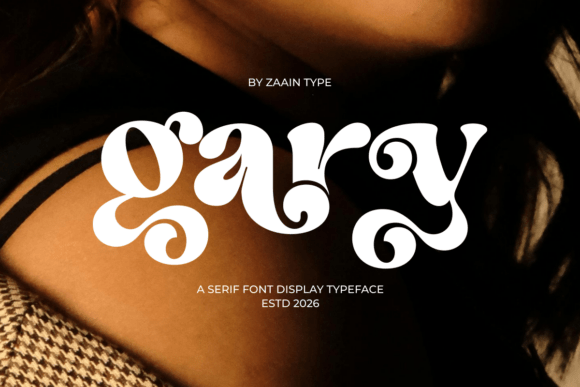
The typeface is defined by its refined curves and balanced proportions. These are not accidental traits but the result of deliberate design choices aimed at creating a graceful presence across diverse media. Whether you are laying out a high-fashion editorial or designing packaging for an artisanal product, Gary delivers a sense of confidence that elevates the entire composition. Its distinctive character details ensure that it maintains a strong visual identity without sacrificing the readability required for functional text.
Anatomy of Refined Curves and Balanced Proportions
To understand why Gary performs so well in professional settings, one must look at its construction. Many serifs fall into two traps: they are either too ornate for digital screens or too simplified to convey luxury. Gary navigates this middle ground through specific anatomical features that prioritize both aesthetics and function.
- Optical Balance: The letterforms are adjusted not just mathematically, but optically. This ensures that when Gary is set in body copy, the texture of the paragraph appears even and inviting, reducing eye strain during extended reading sessions.
- Distinctive Terminals: Rather than generic slab endings or sharp hairlines, Gary utilizes softened terminals that add warmth to the design. This subtle detail prevents the typeface from feeling cold or overly corporate, making it ideal for brands that want to project approachability alongside professionalism.
- Open Counters: The interior spaces of letters like 'a', 'e', and 'o' are generously proportioned. This openness contributes significantly to legibility at smaller sizes and on lower-resolution displays, a critical factor for modern web workflows.
- Vertical Stress with Modern Contrast: While rooted in classical vertical stress models, the contrast between thick and thin strokes has been moderated. This makes Gary robust enough for bold headlines yet delicate enough for refined subheads.
These characteristics combine to create a versatile tool. Designers often find themselves switching between multiple fonts to achieve different moods within a single project. Gary’s inherent flexibility reduces this friction, allowing for a cohesive typographic system that feels unified from the largest display title down to the smallest caption.
Elevating Luxury Branding and Editorial Design
Luxury branding relies heavily on nuance. In this sector, typography does not just communicate information; it communicates value. Gary has found a natural home in this space because its sophistication is quiet rather than loud. It avoids the clichés of high-contrast fashion serifs that have become ubiquitous, offering instead a unique voice that helps brands distinguish themselves in a saturated market.
Consider the application of Gary in editorial layouts. Magazines and digital publications require a workhorse typeface that can handle complex hierarchies. Gary excels here because its personality shines in headlines without competing with photography or illustration. Simultaneously, its text weights possess a rhythm that guides the reader effortlessly through long-form content. The transition from a striking cover line to an immersive article body feels seamless, maintaining the publication's premium tone throughout the user journey.
For packaging design, the stakes are equally high. Physical products offer limited real estate for communication, meaning every letterform must earn its place. Gary’s distinctive character details remain crisp even when printed on textured papers or embossed onto foil. The typeface carries a tactile quality that translates beautifully to physical media, reinforcing the sensory experience of unboxing or handling a luxury item. It suggests craftsmanship and attention to detail before the consumer even reads the copy.
Practical Applications in Digital and Print Workflows
Beyond high-end branding, Gary proves its worth in everyday design scenarios. Its versatility extends to invitations, corporate reports, and website interfaces. When selecting a typeface for these applications, practical considerations often outweigh pure aesthetic preference. Gary addresses several common pain points in modern design workflows:
- Cross-Platform Consistency: In an era where brands exist simultaneously on mobile screens, desktop monitors, and printed collateral, consistency is paramount. Gary renders reliably across operating systems and browsers, ensuring that the brand identity remains intact regardless of the touchpoint.
- Hierarchy Management: With a range of weights and styles, Gary allows designers to establish clear visual hierarchies without introducing secondary typefaces. This simplifies style guides and reduces file bloat in web projects.
- Pairing Flexibility: While Gary is capable of carrying a design solo, it also pairs exceptionally well with clean sans-serifs and monospaced fonts. Its moderate contrast and structured proportions make it a stable anchor in mixed-typeography compositions.
- Accessibility Compliance: Modern design must be inclusive. Gary’s open forms and clear differentiation between similar characters (such as I, l, and 1) support accessibility standards, making content more readable for users with visual impairments or dyslexia.
Making the Case for Gary in Your Next Project
Choosing a typeface is ultimately a strategic decision. Designers must weigh the emotional resonance of a font against its technical performance. Gary occupies a sweet spot where these two factors align. It brings the emotional weight of a classic serif—the trust, the heritage, the refinement—while delivering the technical reliability demanded by contemporary production environments.
When evaluating whether Gary is the right fit, consider the specific goals of your project. If the objective is to disrupt or shock, a more experimental display font might be appropriate. However, if the goal is to build lasting trust, convey sophisticated narratives, or create an environment of understated luxury, Gary provides a solid foundation. It is particularly effective for clients who describe their desired aesthetic as "timeless," "professional," or "elegant" but struggle to articulate what that looks like visually. Gary embodies these abstract concepts in concrete form.
Furthermore, the typeface supports a sustainable design practice. By choosing a versatile family like Gary, teams can reduce the number of licensed fonts they need to manage. Instead of purchasing separate families for headlines, body text, and captions, a single comprehensive system covers all bases. This efficiency streamlines asset management and ensures typographic consistency across large-scale campaigns and multi-year brand evolutions.
Integrating Grace into Functional Design
The true test of any modern serif is whether it can survive outside the context of pure decoration. Gary passes this test by treating grace as a functional attribute rather than mere ornamentation. In user interface design, for example, the warmth of Gary’s letterforms can soften the clinical feel of data-heavy dashboards or financial platforms. In wayfinding and environmental graphics, its clarity ensures information is absorbed quickly while maintaining an atmosphere of quality.
Designers should also pay attention to spacing and leading when working with Gary. Because of its balanced proportions, the typeface responds well to generous whitespace. Allowing the letters to breathe enhances their elegant presence and improves overall comprehension. Tight tracking may work for uppercase logotypes, but for body text and subheads, respecting the built-in rhythm of the typeface yields the best results. Experimenting with size scales can also reveal new facets of Gary’s personality; what feels traditional at 10pt may feel surprisingly avant-garde at 72pt.
Ultimately, Gary represents a thoughtful response to the current typographic zeitgeist. It acknowledges our collective appreciation for history while firmly planting itself in the present. For professionals seeking a serif that feels both classic and fresh, it offers a reliable, beautiful, and strategically sound choice. Whether setting the tone for a wedding invitation or structuring a global brand identity, Gary adds that essential touch of elegance that transforms good design into memorable communication.